
India Tours By Theme
Build A Private Tour Around Your Interests
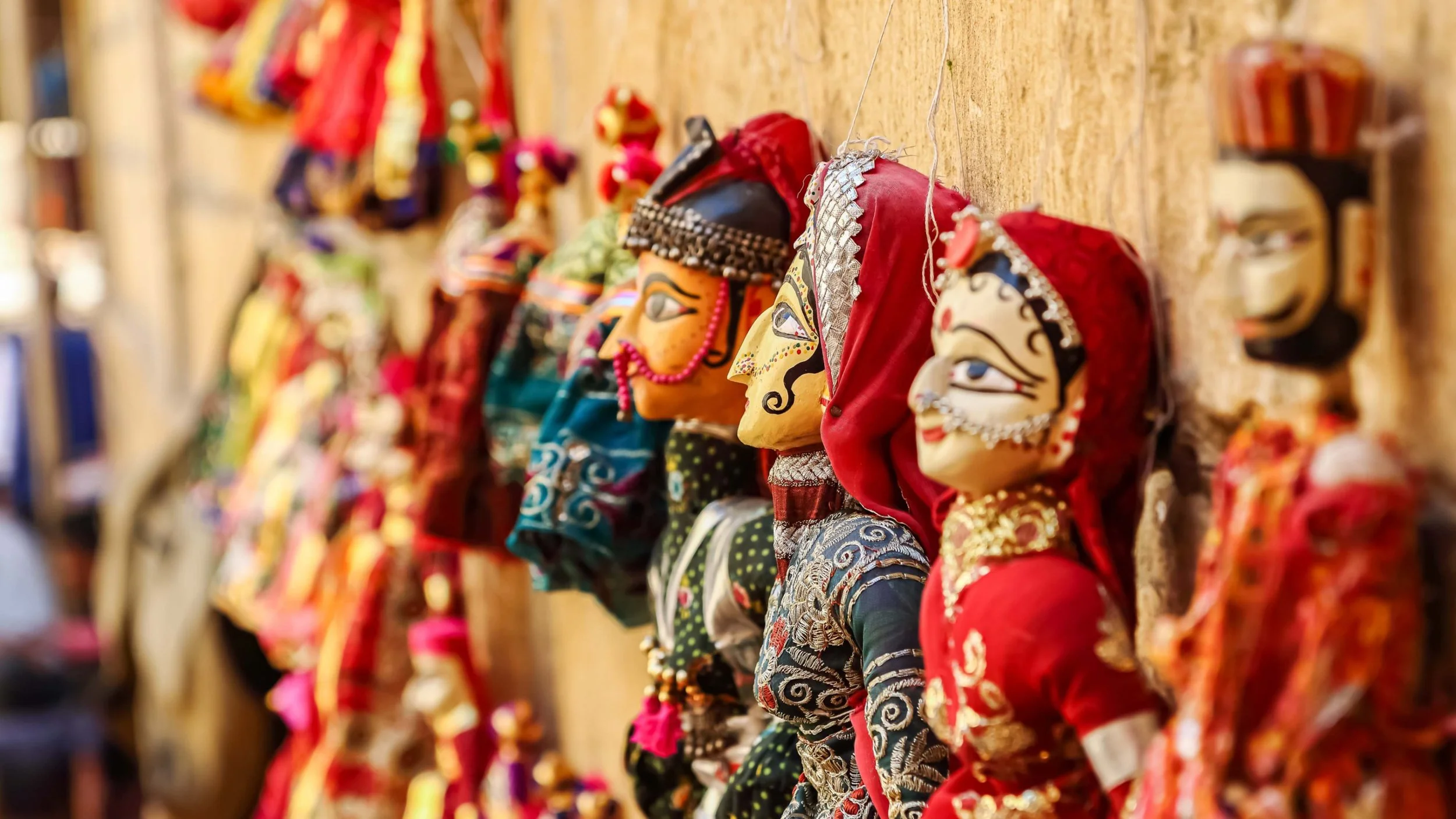
India’s tour themes are essentially special interest journeys, shaped around the idea that travellers often plan their trip not just by region, but by what they genuinely care about. For Australian travellers, this might mean food, textiles, wildlife, trains, river cruises, trekking, photography or architecture. A theme acts as a simple starting point that reflects these interests and helps focus the itinerary from the beginning. Rather than choosing a route first and trying to fit activities into it, a themed or special interest tour works in reverse: it begins with the passion or curiosity, then builds the route, pace and experiences around it.
Our India tour themes are flexible and designed to inspire, rather than rigid categories. A food focused itinerary could include a day of weaving in Kutch, or a wildlife safari might weave in heritage walks in Gwalior or Lucknow. A textile journey could still include a river cruise if it fits the wider story of a region. The purpose of a themed tour is not to restrict options but to give clarity during planning, especially for travellers with limited holiday time. For many Australians, this approach makes India feel more manageable and approachable, providing a framework that can be tailored, expanded or combined as needed.
India Rail Holidays
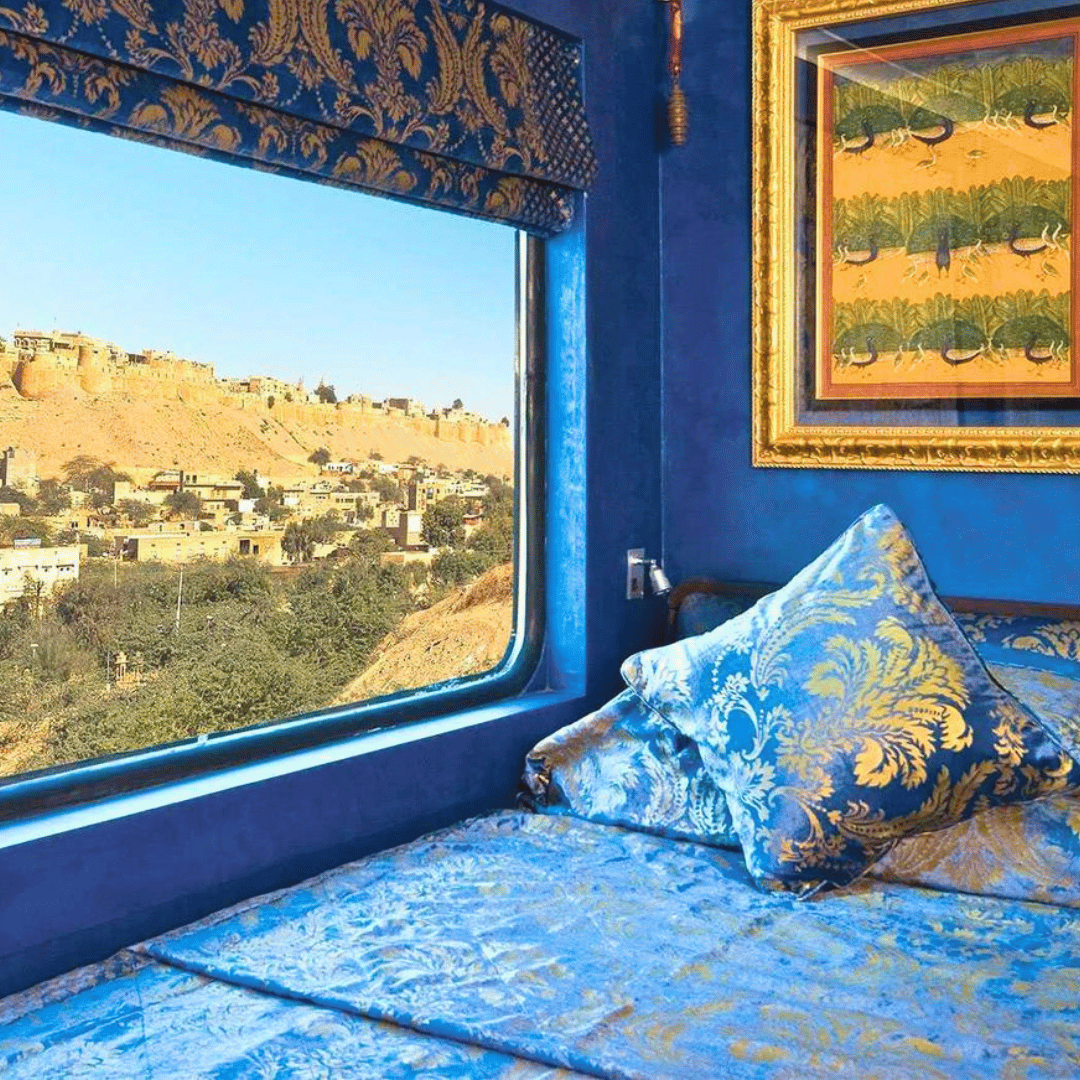
India train tours offer a calm and efficient way to travel across long distances while seeing the country from a different perspective. Rail journeys link major cities with rural regions, giving travellers time to watch landscapes shift from farmland to desert, forest and coast. For many visitors, the appeal lies in combining cultural discovery with the ease of moving between places without repeated airport transfers or long days on the road. Carriages provide comfortable seating, private cabins on selected overnight routes, and a sense of steady rhythm that suits travellers who like to take in the view as they move. Rail holidays in India also open access to smaller towns that hold deep layers of history, traditional markets and regional food, helping guests understand the country in a more connected way.
Luxury trains add another dimension, offering beautifully designed cabins, attentive service and curated off-train excursions. Options such as the Maharajas Express, Palace on Wheels and the Deccan Odyssey focus on cultural routes that highlight royal cities, desert landscapes, historic forts and important regional centres. Travellers enjoy good dining, a high level of comfort and the atmosphere of a moving boutique hotel. These journeys work well as stand alone rail holidays or as part of a wider itinerary that includes private touring elsewhere in India. For those who value comfort, culture and easy logistics, an India rail journey remains one of the most rewarding and distinctive ways to explore the country, suitable for first time visitors and returning guests interested in regional history, architecture and food.
India Wildlife Safaris
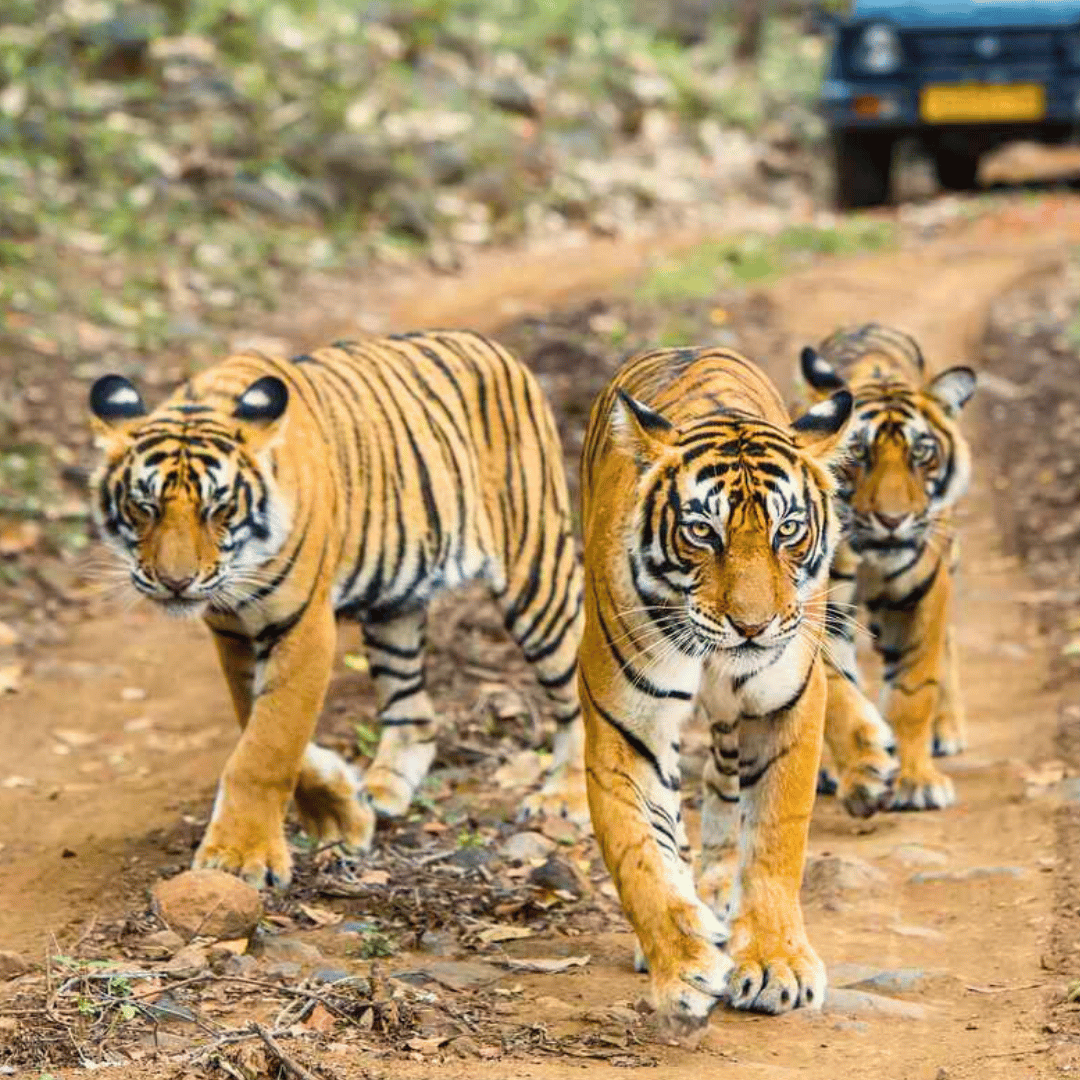
India wildlife tours introduce travellers to some of the country’s most impressive natural environments, from forested hills to river valleys shaped by seasonal movement. Safaris are centred on early mornings and late afternoons, when animals are most active and the forest comes alive with sound. Travellers explore by open jeep with trained naturalists who help identify tracks, explain behaviour and point out the smaller details that are easy to miss. These journeys suit guests who want to balance cultural travel with time in nature, observing daily life in the wild rather than rushing from place to place. India’s national parks each offer something distinct, and visiting more than one helps build a broader picture of local ecosystems, community involvement in conservation and the habitats that support species found nowhere else.
Tiger safaris are often the highlight, giving travellers a real chance of seeing one of the world’s most impressive predators in its natural environment. Parks across Central and North India provide good viewing conditions, with varied terrain, reliable water sources and experienced guiding teams. Alongside the tiger, travellers may encounter leopards, sloth bears, deer, antelope and a remarkable range of birdlife. Lodges near the parks offer comfortable stays with good food, calm surroundings and staff who understand the rhythm of safari days. Evenings are spent reviewing sightings, listening to forest sounds and learning more about conservation efforts that protect these landscapes. India wildlife safaris work well as dedicated trips or as part of a wider itinerary that includes cities, rural regions and cultural highlights, giving travellers a strong mix of nature, insight and meaningful experiences.
India River Cruises
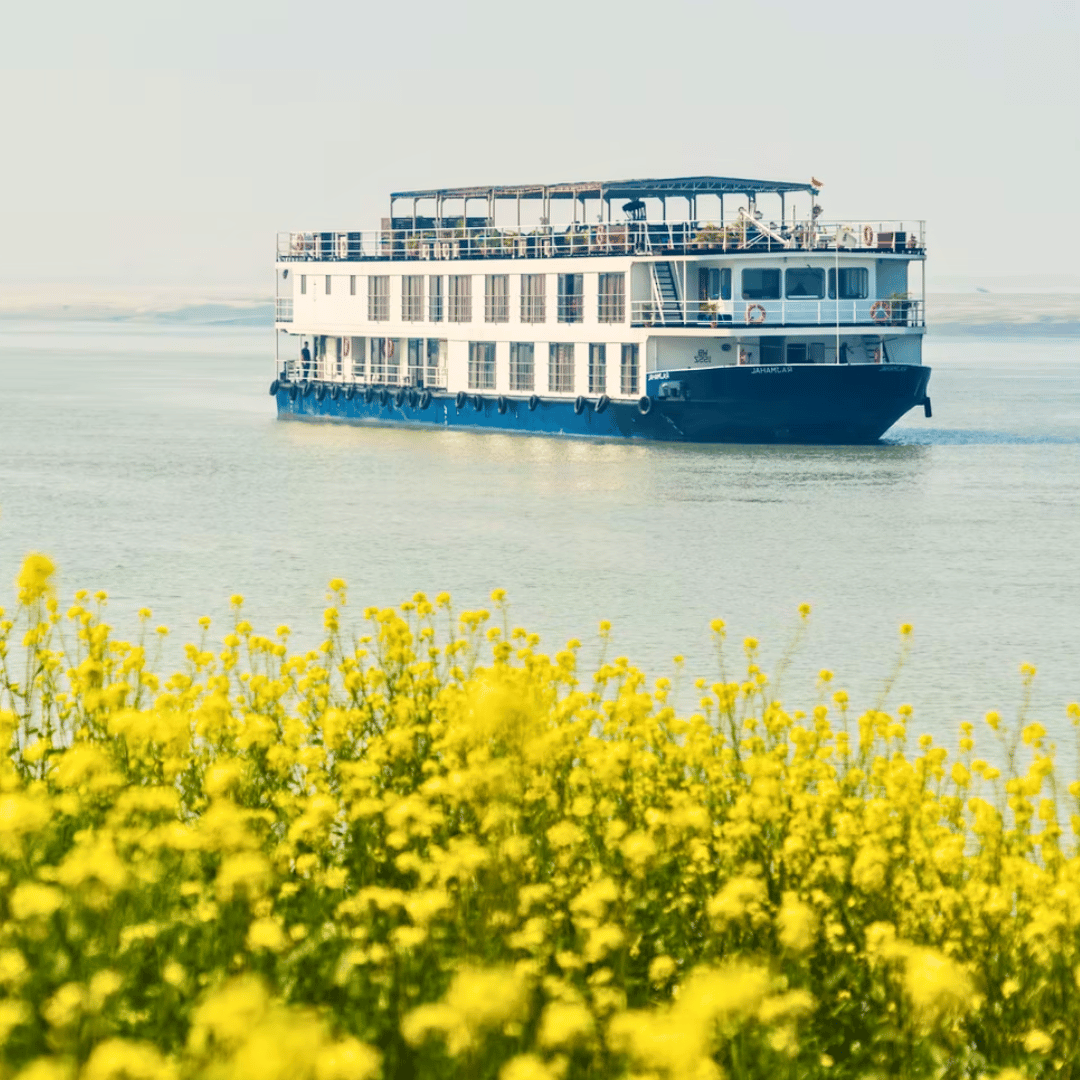
India river cruises offer a calm and steady way to explore the country while seeing life along the water from a different perspective. Journeys follow historic rivers and quiet channels that link major cultural centres with rural regions, giving travellers time to watch landscapes shift from tea country to floodplains, river islands and forests. For many visitors, the appeal lies in combining cultural discovery with the ease of moving between places without repeated airport transfers or long days on the road. Comfortable ships provide well designed cabins, good food and outdoor deck space to take in the view as they move. River cruising in India also opens access to smaller towns and villages that hold deep layers of history, traditional crafts, and regional food, helping guests understand the heart of India.
Premium river vessels add another dimension, offering attentive service, curated shore excursions and a level of comfort that suits those who enjoy slow travel. Cruises on the Brahmaputra focus on wildlife rich landscapes, national parks and Assamese culture, while journeys along the Ganges highlight historic towns, riverside temples and daily life shaped by centuries of tradition. In Kerala, houseboat and backwater cruises introduce a softer pace through canals edged with farming communities and coconut groves. These trips work well as stand alone holidays or as part of a wider itinerary that includes private touring before or after the cruise. For travellers who value comfort, culture and easy logistics, India river cruises are suitable for first time visitors and returning guests interested in regional history, nature and food.
Build Your Private India Tour With India Unbound
Established in 2007, India Unbound is an award-winning travel company specialising in custom-made journeys and private tours to India. With more than two decades of experience exploring this fascinating nation, we create tailor-made itineraries for discerning travellers looking for a real adventure.
When you start to research a trip to India, it’s easy to feel overwhelmed by the seemingly endless possibilities. At India Unbound, we’ve made this process easy. To see India, we simply need you to tell us relevant information about yourself and the type of travel experience you are looking for - whether it’s a wish list of places you want to visit, a style of travel, a particular interest or theme that you want to explore, or all of these factors. Using this information, we curate a custom-made India private tour just for you. It’s that simple.
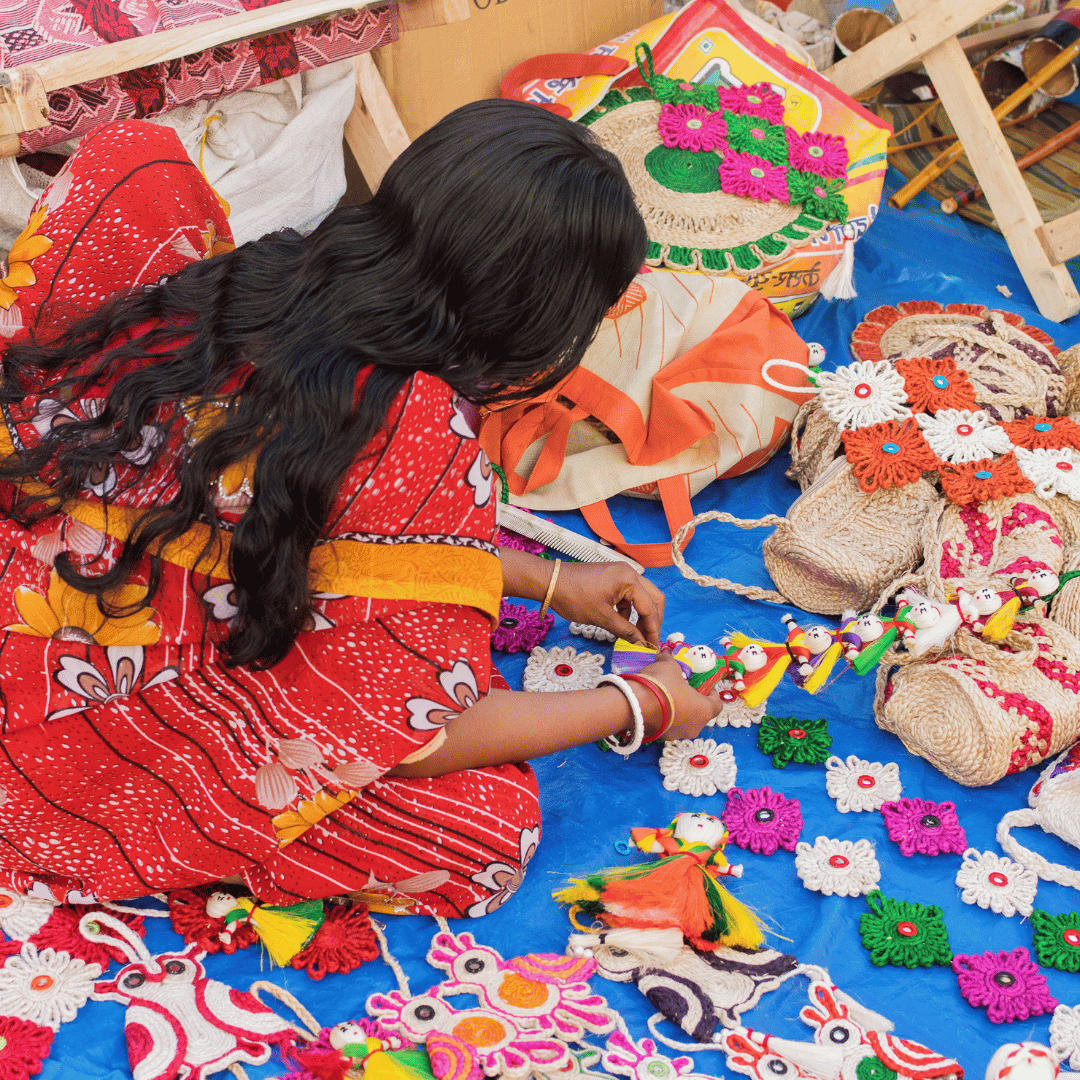
India Textile Tours
India textile tours link key craft regions with rural workshops, giving travellers a close look at weaving, dyeing, embroidery and natural textiles. These journeys highlight traditions shaped by local materials and long practice, with visits to handloom clusters, artisan studios and heritage districts. Gujarat, Tamil Nadu, Odisha, Assam and West Bengal reveal distinctive styles and patterns. Textile tours suit travellers interested in culture, design and meeting artisans while exploring regional history.
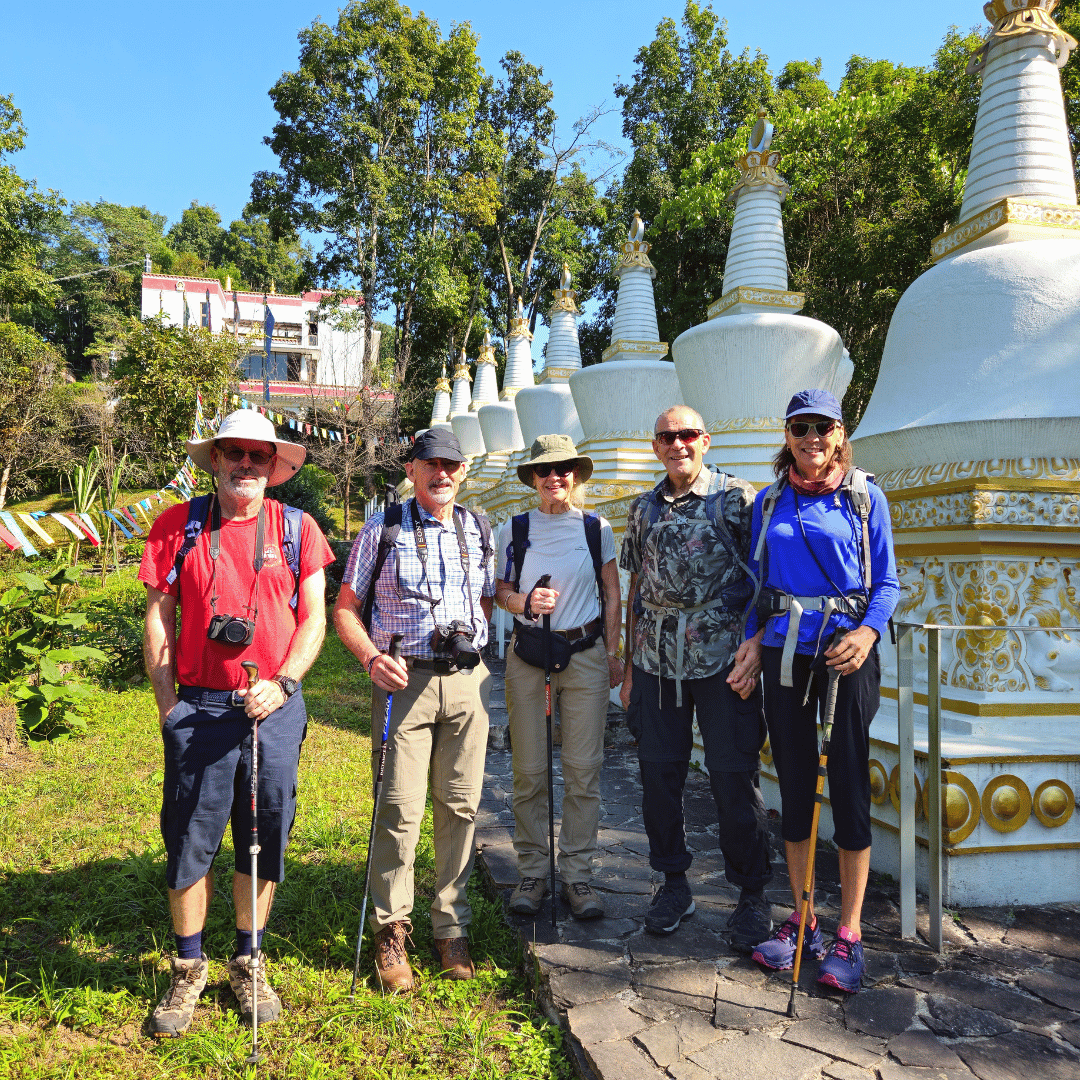
India Active Tours
India active tours explore India through movement, linking walks, hikes and cycling routes with time in nature and local communities. Travellers see changing landscapes at a slower pace, from Himalayan foothills to coastal paths and rural farmland. Guided activities bring a closer look at daily life, wildlife and regional terrain. These trips balance cultural discovery with outdoor time, offering well planned routes, comfortable stays and insight into the country’s varied environments.
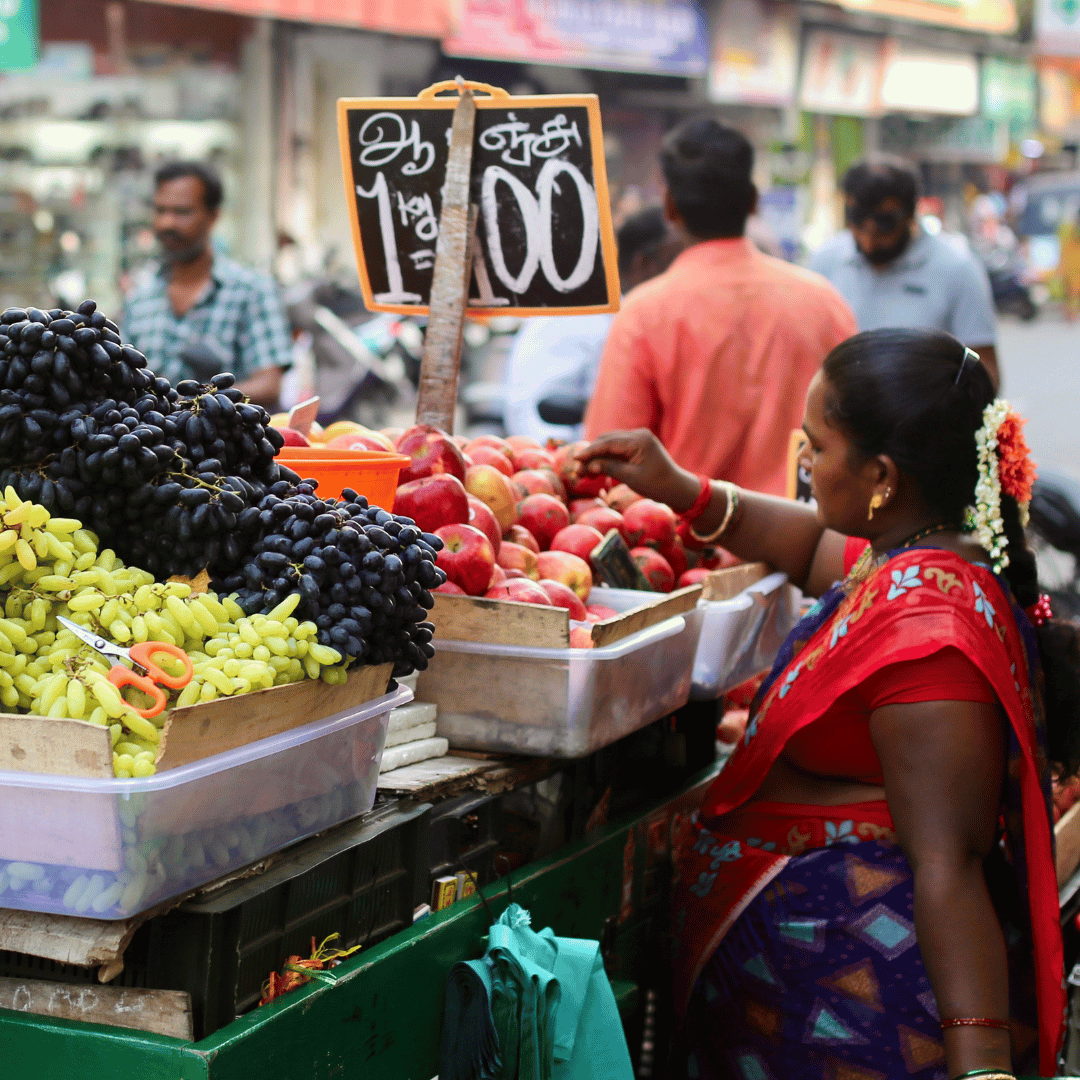
India Food Tours
India food tours explore the country through flavour, linking markets, home kitchens and regional dining traditions with time in local neighbourhoods. Travellers sample dishes shaped by climate, spice, farming and cultural practices, from coastal seafood to northern breads and rich vegetarian cooking. Guided tastings and market visits offer a close look at ingredients and daily food customs. Ideal for travellers who enjoy culture, cooking and meeting people through shared meals.
Popular India Special Interest Tour Itineraries
-
![Deccan Odyssey]()
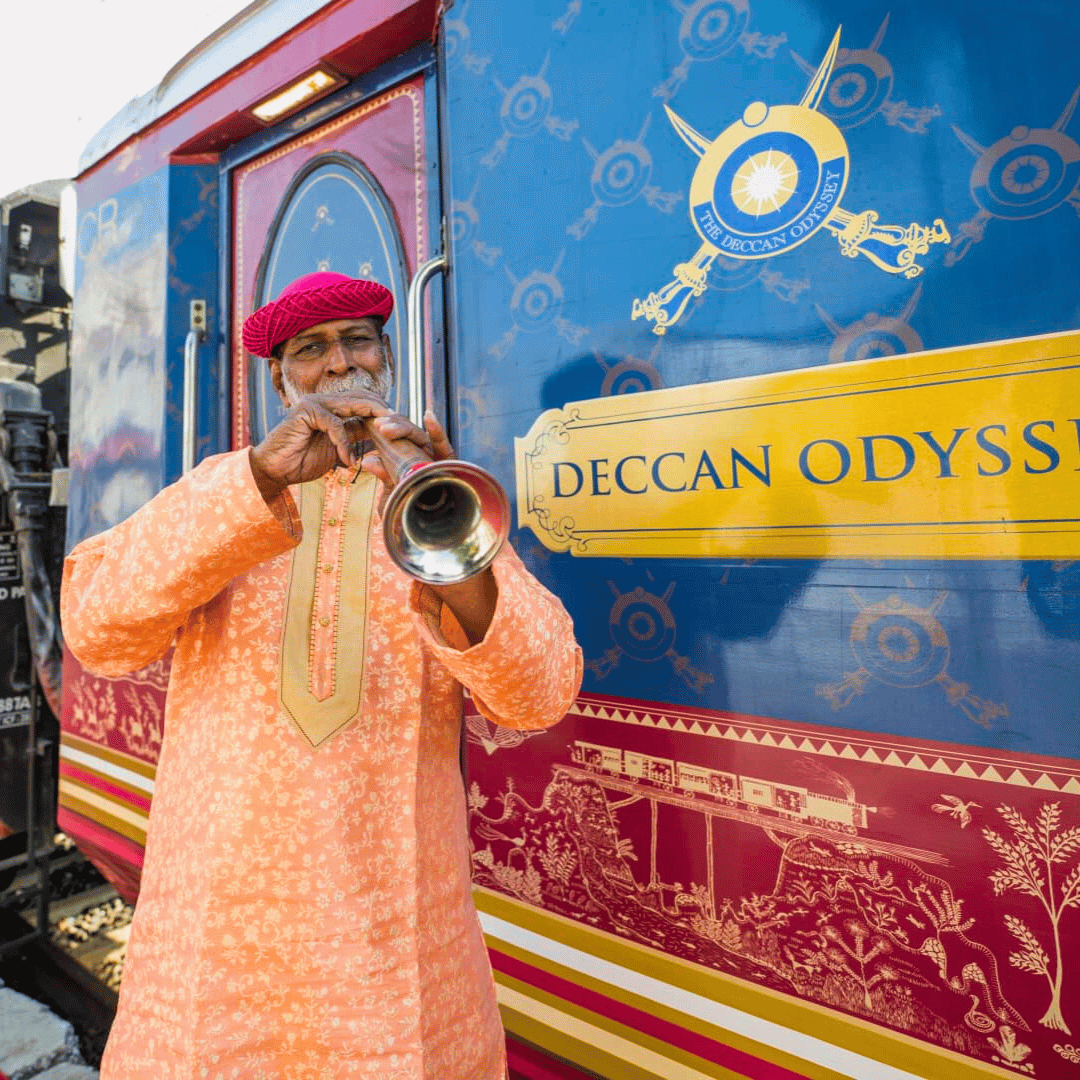
Heritage Rail Odyssey
Experience Rajasthan in style aboard the Deccan Odyssey, combining luxury rail travel with guided excursions to palaces, forts and desert landscapes. Enjoy fine dining, elegant cabins and seamless off-train touring that brings North India’s royal heritage to life.
-
![Markha Valley Trek]()
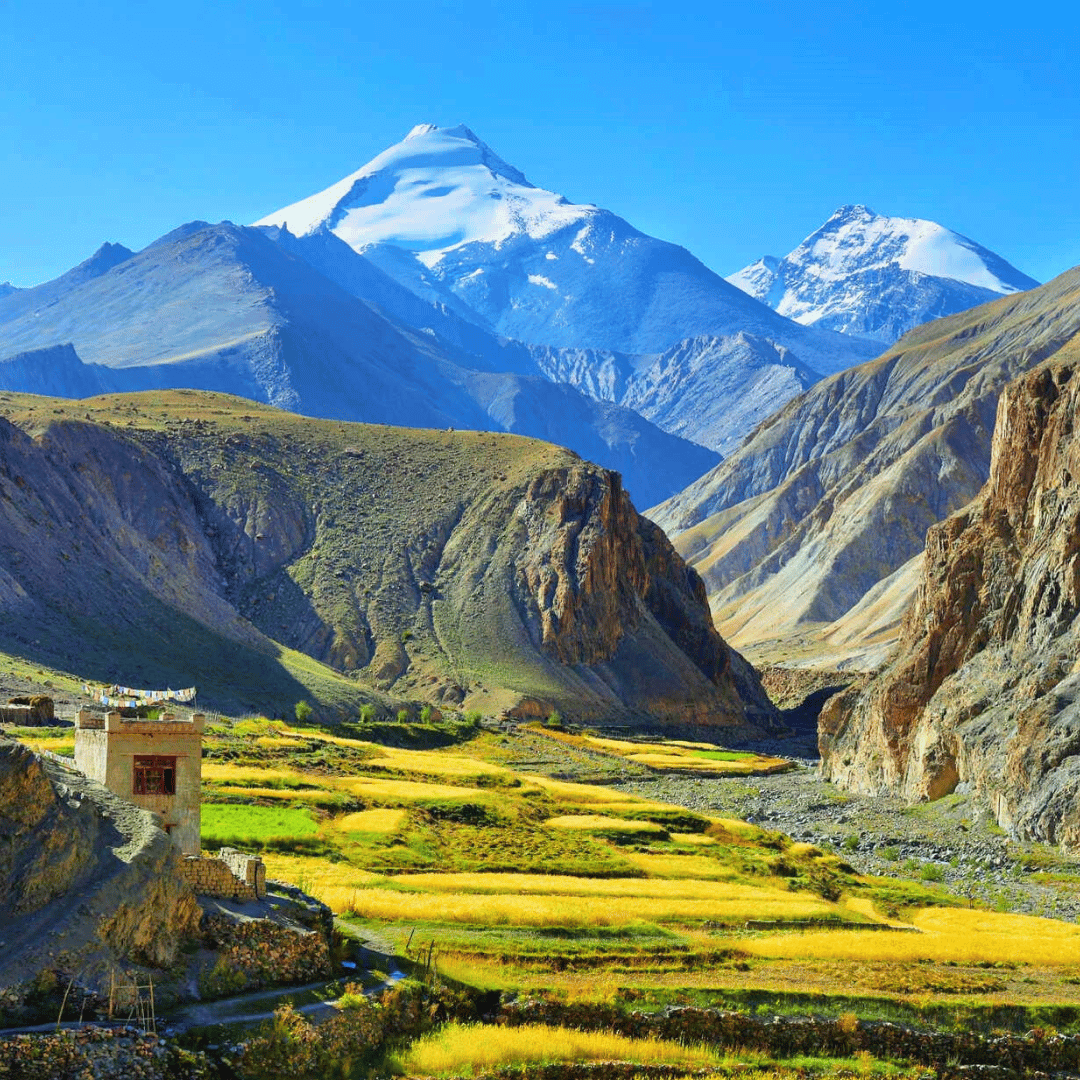
Markha Valley Trek
Trek the Markha Valley in Ladakh, crossing high passes in Hemis National Park and visiting remote villages shaped by Tibetan culture. Explore monasteries, rugged gorges and high mountain roads, gaining insight into daily life, history and the landscapes of India’s far north.
-
![Varanasi ghats]()
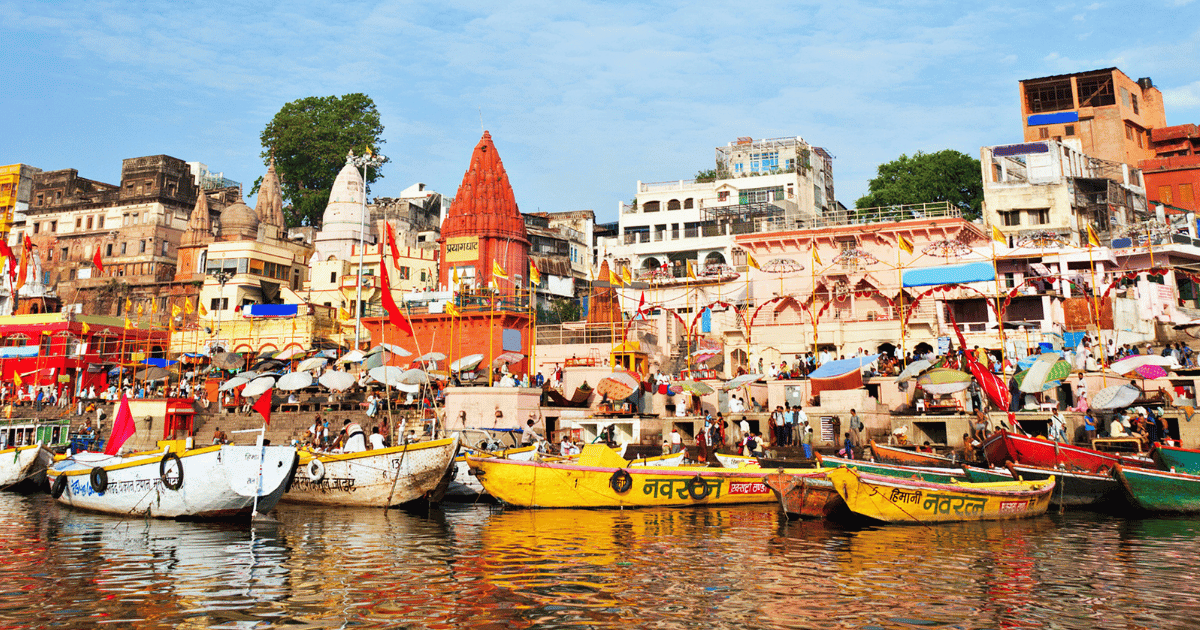
Upper Ganges Cruise
Cruise the Ganges from Varanasi to Patna aboard the ABN Rajmahal, visiting riverside towns, Mughal sites and village markets. Enjoy dawn boat rides on the ghats, guided walks, island stops and insight into the region’s history, rituals and everyday life along India’s most sacred river.
-
![India markets]()
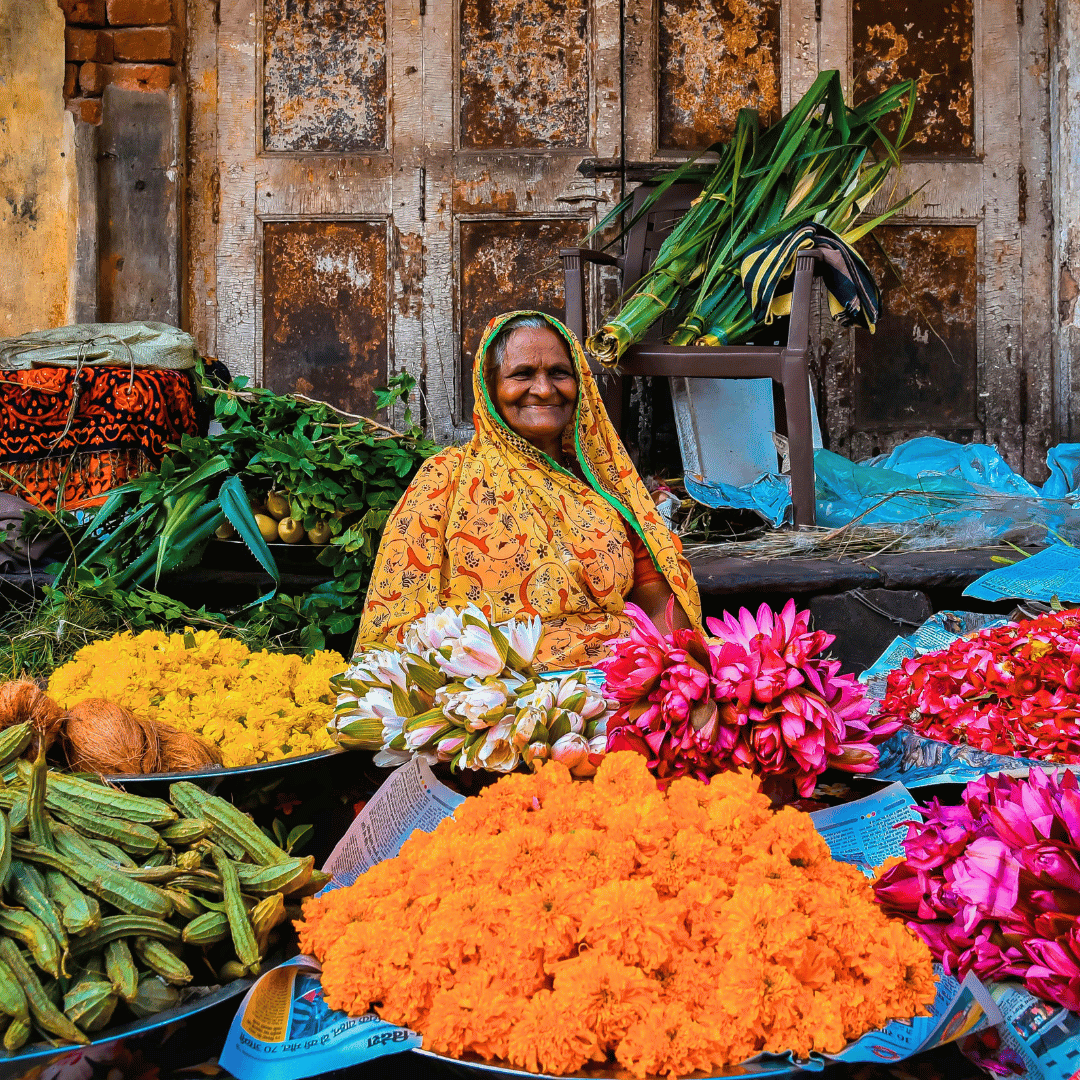
Flavours Of South India
Explore Tamil Nadu and Kerala through food, from Chettinad spices to coastal dishes and hands-on cooking. Visit markets, family kitchens and heritage sites, meet local cooks and travel between towns where regional flavours reflect history, culture and community.
-
![India elephant]()
North India Wildlife
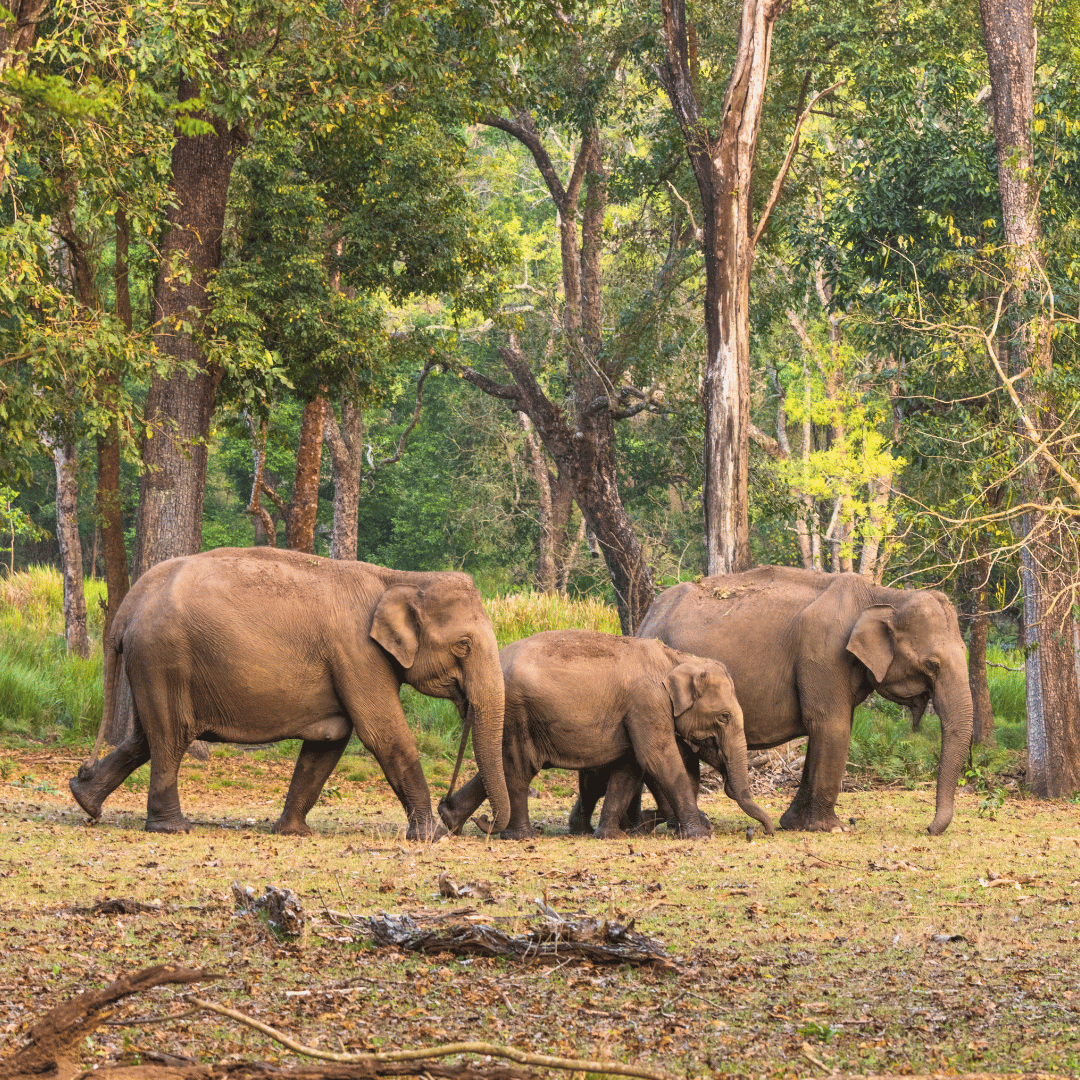
Ideal for first timers and nature lovers, explore Pench, Kanha, Bandhavgarh and Ranthambhore in depth. Morning and afternoon safaris offer bucket list encounters with India’s wildlife, with the added bonus of the iconic Golden Triangle highlights in Delhi, Jaipur and Agra.
-
![East India textile market]()
East India Textiles
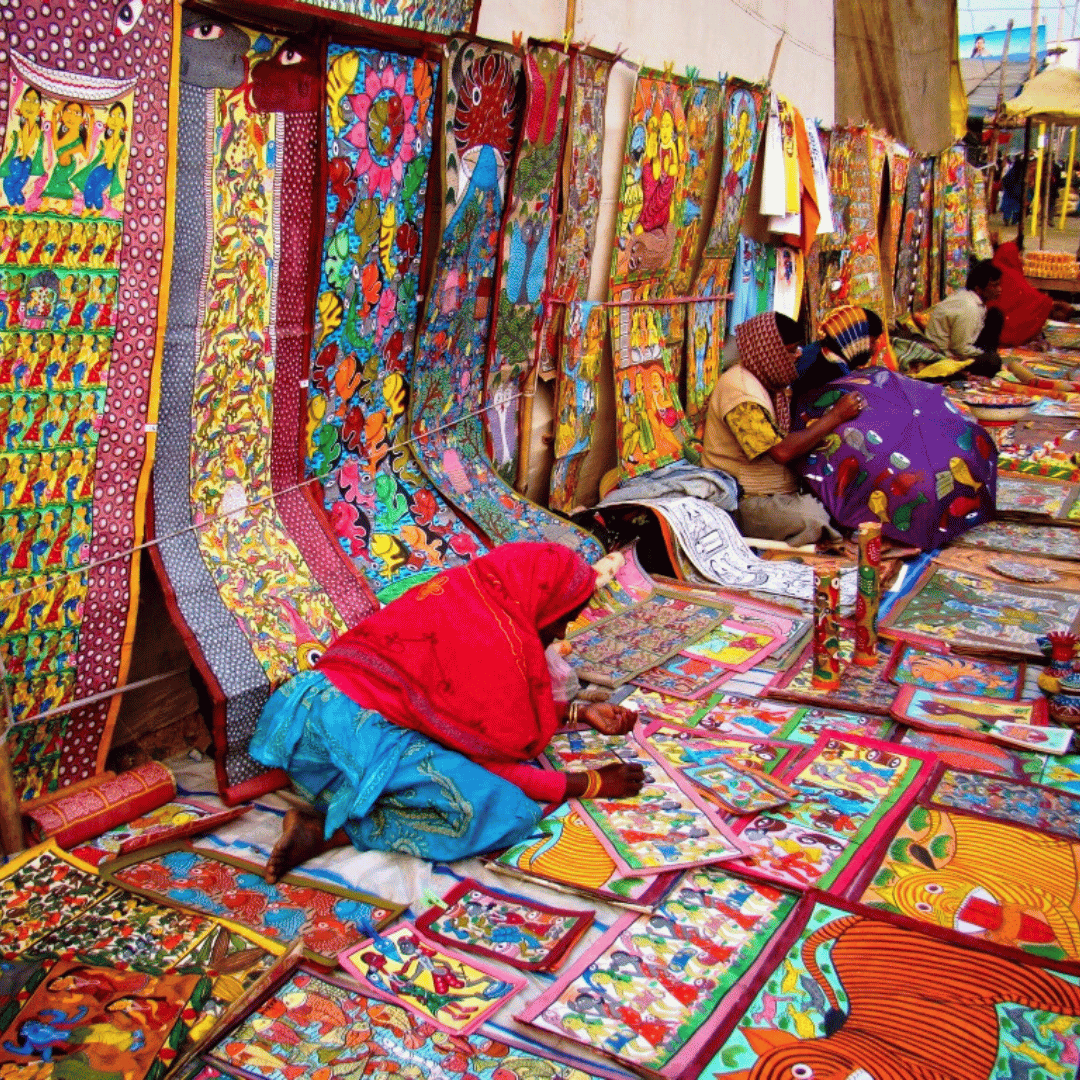
Explore East India’s textile heritage in Kolkata, Darjeeling and Gangtok. Meet artisans in Bishnupur, Shantiniketan and Murshidabad to learn Baluchari, Kantha and silk weaving. Landscapes move from rural plains to Himalayan foothills, adding context and depth.
India Travel Planning Advice From The Experts
-
For a first trip to India, the Golden Triangle remains the most practical and rewarding starting point. This well-established route links Delhi, Agra and Jaipur, three cities that together offer an accessible overview of India’s history, architecture and cultural traditions. Distances are manageable, travel times are predictable, and a wide range of hotels makes it easy to tailor the experience to different styles of travel. For visitors who want a clear structure and a strong sense of India’s major narratives, the Golden Triangle provides a balanced introduction.
Delhi gives travellers their first insight into the country’s long timelines through its forts, mosques, marketplaces and older neighbourhoods. It also provides a mix of street food, contemporary culture and important museums, which helps set the context for the days ahead. Agra builds on this foundation through Mughal architecture, riverfront views and the Taj Mahal, which remains a highlight for many travellers. Spending time around the Taj, Agra Fort and the quieter tombs and gardens allows visitors to explore the craftsmanship and planning that shaped this period.
Jaipur adds a different perspective through its painted facades, hilltop structures and older city districts. The layout of the old city, the instruments of Jantar Mantar and the palaces within the Amber Fort reveal how design, trade and daily life functioned in this part of India. Jaipur is also known for textiles, block printing, metalwork and jewellery, making it a useful place to understand local craft traditions. Spending two or three nights here gives travellers time to explore both major landmarks and districts that sit slightly away from the busiest areas.
Most first-time travellers spend between six and eight days in the Golden Triangle, which allows enough time to explore each city without rushing. A shorter trip is possible but usually means limited time in Delhi or Jaipur, or a very brief visit to Agra. Stretching the journey to nine or ten days gives space for additional neighbourhoods, quieter walks, lesser-known monuments or local food experiences that help round out the trip. This pacing also reduces one-night stops, which makes the journey feel more settled and gives each city room to be understood properly.
Once the Golden Triangle is complete, many visitors add a fourth destination based on personal interests. Kerala suits those who prefer waterways, coastal settlements and regional food, while Rajasthan appeals to travellers who want to explore forts, stepwells and towns shaped by desert trade routes. Wildlife travellers often add Central India, and those seeking cooler landscapes look towards Himachal Pradesh or Uttarakhand. Even so, the Golden Triangle on its own is a strong and complete introduction, especially for travellers who want a clear itinerary, reliable connections and a broad understanding of India’s cultural and historical foundations.
-
For a second or third journey to India, most travellers move beyond the Golden Triangle and start exploring regions that offer a deeper sense of local culture, distinctive landscapes and slower-paced travel. Rajasthan is often the next step, especially if you did not include it the first time. Cities such as Jodhpur, Udaipur and Bundi have strong architectural heritage and a very different atmosphere from Delhi and Agra. Smaller towns like Narlai, Shahpura or Rohet provide insight into rural life, community-led craft traditions and landscapes shaped by desert and farmland.
Central India appeals to travellers who want a mix of temples, old capitals and wildlife parks. Places such as Orchha, Khajuraho, Gwalior, Kanha and Bandhavgarh offer a more measured rhythm and a chance to spend time in national parks or historic precincts with fewer crowds. This region suits people who have already visited India’s major cities and now want quieter routes, forest settings and cultural sites that sit slightly outside the usual pathway.
South India is a strong choice for travellers drawn to temple architecture, regional food and coastal life. Tamil Nadu’s temple towns, the heritage quarters of Pondicherry and the landscapes of the Western Ghats give a very different view of the country. Kerala adds backwaters, tea estates and coastal settlements that work well for travellers who prefer a gentler pace. Many people combine Tamil Nadu and Kerala on a second trip because the contrast between the two states is both clear and complementary.
The North Indian Himalaya offer another direction entirely. Ladakh, Himachal Pradesh and Uttarakhand are suited to travellers who enjoy mountain scenery, small settlements, Buddhist and Hindu pilgrimage sites, and cooler climates. These regions deliver a quieter style of travel, with opportunities for short walks, monastery visits and time in remote valleys. They work well for people who want to experience India’s geography in a more sustained way.
For travellers who prefer culture, food and historic cities, Kolkata and East India are worth considering. Kolkata offers museums, literature, riverfront life and neighbourhoods with strong cultural traditions. Odisha and Bihar add temple sites, Buddhist history, and regional cuisines that differ noticeably from the north and south.
A good way to think about a second or third trip is to choose one clear theme or region rather than trying to cover long distances. India becomes more rewarding when you slow down, spend longer in each place and explore states that have distinct cultural identities.
-
North and South India differ in ways that travellers notice quickly, from language and food to architecture, climate and the rhythm of daily life. In the north, cities grew around Mughal capitals, Himalayan foothills and the broad plains of the Ganges. This history shaped the region’s forts, palaces, monuments and older bazaars, along with religious sites connected to Hindu, Sikh and Islamic traditions. The landscapes range from snow-lined mountains to wide river valleys, and the climate moves from cool winters to very warm summers. Wheat-based dishes are common, and street food plays a major role in everyday life. Distances between the major cities are shorter, which is why the Golden Triangle is often recommended for a first visit and works well for travellers who prefer structured routes with clear historical themes.
South India follows a different cultural and environmental pattern. Tamil, Telugu, Kannada and Malayalam speaking regions each have their own artistic, linguistic and architectural histories, most clearly seen in the large temple towns of Tamil Nadu and the coastal districts of Kerala and Karnataka. The region’s food relies more on rice, lentils, seafood and regional spices, with strong local variations from state to state. The climate is more tropical, shifting from humid coastlines and inland plains to the higher, cooler areas of the Western Ghats. Many towns and cities feel more compact, and there is a strong emphasis on daily ritual, local festivals, craft traditions and a slower style of travel shaped by waterways, plantation history and smaller settlements.
Both regions are easy to travel through, but the experience differs in tone and focus. North India suits travellers drawn to forts, early empires, riverfront cities and Himalayan landscapes, as well as those who want a clear introduction to India’s major monuments. South India appeals to travellers who enjoy temple architecture, coastal life, regional food and quieter town-based exploration, with an emphasis on local culture rather than large urban centres. Choosing between the two depends on your interests, pace and preferred climate, and many travellers eventually visit both to understand how varied the country is from region to region.
-
India has some of the most varied wildlife habitats in Asia, and the best regions for wildlife tours depend on the landscapes and species you want to focus on. Central India is the strongest starting point. National parks such as Kanha, Bandhavgarh, Pench and Satpura offer reliable sightings of tigers, deer species, sloth bears and a wide range of birdlife. These parks also have some of India’s best lodges, forest zones and guiding teams, which makes the experience more consistent and well paced.
Ranthambhore in Rajasthan is another well-known option, especially for travellers who are already visiting Jaipur or the Golden Triangle. The park combines good tiger-viewing areas with old fort structures and varied terrain, though it can be busy in peak months. For quieter experiences, Jawai and Kumbhalgarh offer leopard-focused drives in landscapes shaped by granite hills, grazing land and small settlements.
In Gujarat, the Little Rann of Kutch and Gir National Park show a very different side of wildlife travel. Gir is the only place where Asiatic lions live in the wild, while the desert and wetland environments of Kutch attract migratory birds, wild asses and other desert species. These destinations suit travellers looking for contrasting habitats or returning for a more specialised wildlife trip.
Kaziranga in Assam is the best place in India to see the one-horned rhinoceros. The floodplains, grasslands and riverine forests here support the largest population of the species, along with elephants, water buffalo and a strong variety of birdlife. The park suits travellers who want a different ecosystem from Central India and are comfortable adding a flight to the north east.
Northern India has strong Himalayan options as well. Corbett National Park offers forested river valleys and good birdlife, while parks in Uttarakhand and Himachal Pradesh provide access to high-altitude landscapes for travellers seeking something more remote. In the far north, Ladakh is known for snow leopards and high-mountain wildlife, usually as part of winter expeditions supported by skilled local trackers.
A balanced wildlife itinerary usually combines two parks over twelve to fourteen days, with enough time in each lodge to enjoy relaxed game drives, flexible pacing and smoother travel between regions. If you want, I can sketch sample wildlife routes that focus on tigers, rhinos, leopards, birding or mixed habitats, using lodges that match your preferred style of travel. -
India has several regions that suit textile tours, each with distinct techniques, communities and design traditions. Gujarat is one of the strongest choices. Kutch is known for weaving, bandhani, embroidery, block printing, hand-spun cotton and natural dyes, with many villages offering opportunities to meet artisans directly. Bhuj, Ajrakhpur and the smaller settlements surrounding them provide some of the most rewarding textile experiences in the country.
Rajasthan also has a long textile heritage. Jaipur and Bagru are known for block printing, Sanganer for fine prints, and Jodhpur and Udaipur for textile markets and workshops. The region suits travellers who want to combine hands-on visits with broader cultural experiences, as towns and cities are close together and easy to link in a short itinerary.
Tamil Nadu offers weaving centres with deep historical roots. Kanchipuram is known for silk, while Karaikudi and parts of the Chettinad region feature cotton weaving and distinctive design traditions. These areas suit travellers who want a slower pace and time to observe processes that have been maintained for generations.
West Bengal is another strong option. Kolkata has excellent textile markets and design studios, while rural districts such as Shantiniketan and its surroundings are known for weaving, natural dyeing and traditional craft education. The region works well for travellers interested in the relationship between craft, literature and local cultural history.
-
India has several regions that offer rewarding trekking and mountain scenery, each with different landscapes, cultures and levels of difficulty. Ladakh in the far north is one of the most striking. High-altitude deserts, quiet villages, deep valleys and Buddhist monasteries create an environment that feels very different from the rest of India. Treks around the Markha Valley, Nubra Valley and the areas near Leh provide broad views, open skies and access to remote communities.
Himachal Pradesh is another strong option, especially for travellers who want mid-altitude routes, established paths and a mix of forests, meadows and mountain passes. Areas around Manali, Dharamshala and the Kullu Valley suit travellers looking for shorter walks, while the Spiti Valley offers dramatic, dry landscapes, village-based routes and distinctive monastery architecture.
Uttarakhand provides some of the most accessible Himalayan scenery, with well-known trails around Rishikesh, the Garhwal region and the Kumaon hills. Treks to places like the Valley of Flowers, Chopta, Dayara Bugyal and the higher pilgrimage routes offer quieter scenery and a range of altitudes, from gentle forest walks to routes with significant climbs.
Sikkim is ideal for travellers who prefer greener, more humid mountain landscapes. The Kanchenjunga region features dense forests, alpine meadows and large mountain views, especially from areas around Yuksom, Pelling and Lachung. The state suits travellers who want a balance of natural scenery and strong local culture.
Shorter, gentler mountain walks can also be found in Darjeeling, the tea districts of Assam and the hill stations of the Western Ghats, such as Munnar and Ooty. These work well for travellers who want scenic landscapes without committing to multi-day trekking.
-
Private touring in India offers several advantages that make travel smoother, more flexible and more meaningful. The biggest benefit is having a dedicated private driver. This allows you to move at your own pace, avoid long waits or crowded transfers, stop for local food or photography, and adjust timings when needed. A private driver also gives you access to smaller roads, villages and viewpoints that large groups often cannot reach.
Choosing your own accommodation is another important advantage. Many group tours stay on the outskirts of cities to suit large-bus logistics, which makes sightseeing less convenient and limits your experience of local neighbourhoods. Private touring lets you stay in properties that match your style, location preferences and budget, whether that is a heritage hotel in Jaipur, a boutique haveli in Old Delhi or a lakeside hotel in Udaipur.
Private tours also allow far more time for cultural encounters. Without the pressure of a fixed group schedule, you can spend longer in markets, craft studios, temples, farm villages or family-run workshops. These interactions often become the most memorable part of the trip and offer a clearer sense of how people live across different regions of India.
The biggest advantage of all is building an itinerary centred around your interests. Whether you want to focus on wildlife, textiles, temples, photography, food or regional festivals, a private tour gives you the freedom to shape each day according to what matters most to you. The result is a trip that feels more personal, better paced and far more aligned with the way you like to travel.
-
Booking with India Unbound gives you a private, well-paced journey shaped around your interests rather than a fixed group schedule. Your trip is designed by a team that specialises in India alone, with long-standing local partnerships and detailed knowledge of how each region works. This means you receive realistic planning advice, reliable routing and a clear understanding of what to expect before you travel. Many travellers choose India Unbound after reading independent reviews that highlight careful planning, thoughtful pacing and strong attention to detail.
You travel with a dedicated private driver, which makes movement between cities easier and allows time for local stops, photography, food and detours that large groups cannot include. You also choose your own accommodation. Instead of being placed in large hotels on the outskirts of cities, you can stay in well-located heritage properties, boutique guesthouses and character-filled hotels that deepen your experience of each place.
Practicalities are straightforward. A low 20% deposit secures your booking, and the remaining balance is due 60 days before departure. Support continues throughout the journey, with assistance from both local teams in India and the Australia-based office, along with 24/7 on-ground help should anything need attention. This combination of personalised planning, reliable support, flexible pacing and well-reviewed service is what makes private touring with India Unbound a strong choice for travellers who value depth, comfort and meaningful cultural experiences.