
India Textile Tours
Bespoke Packages Crafted With Care
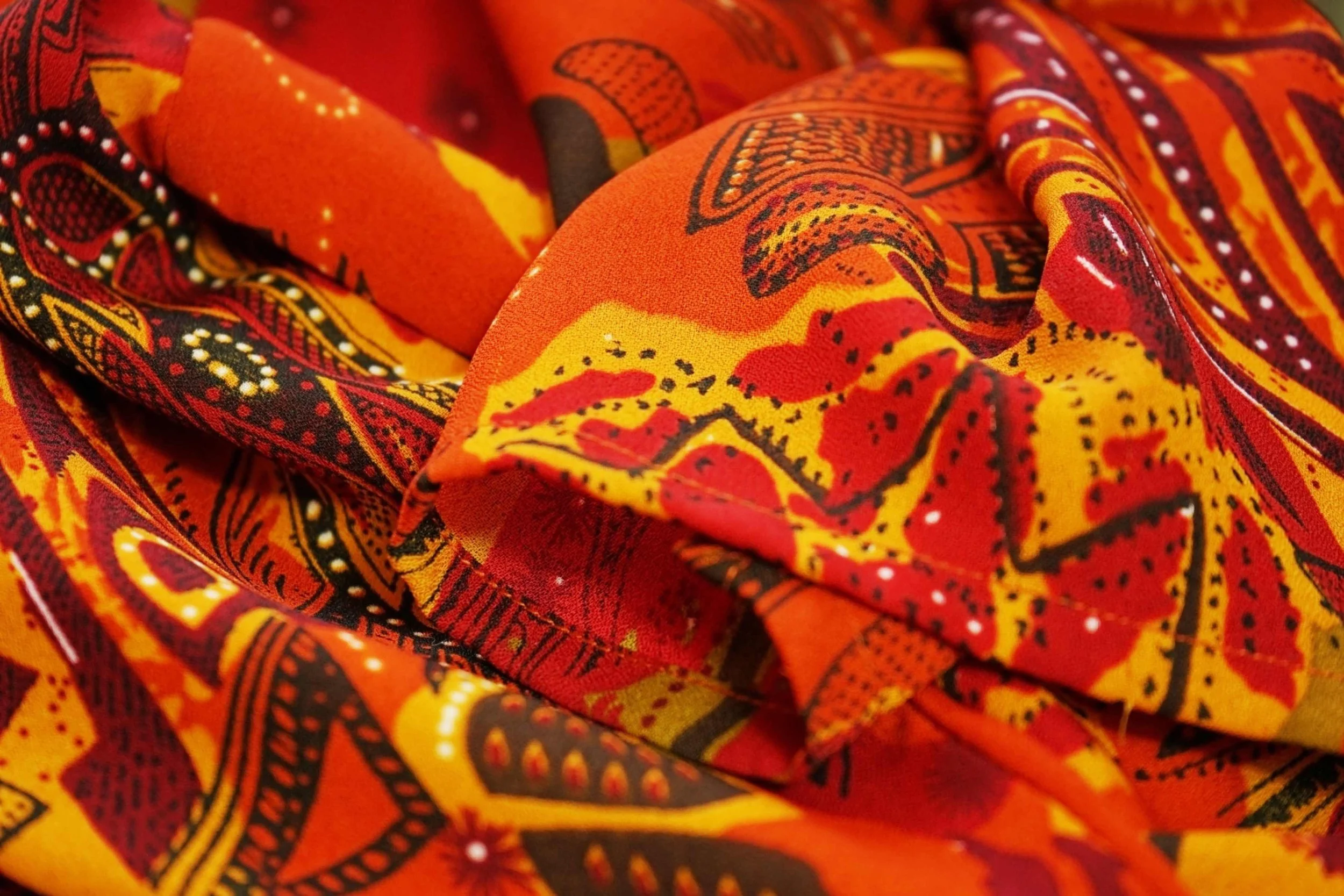
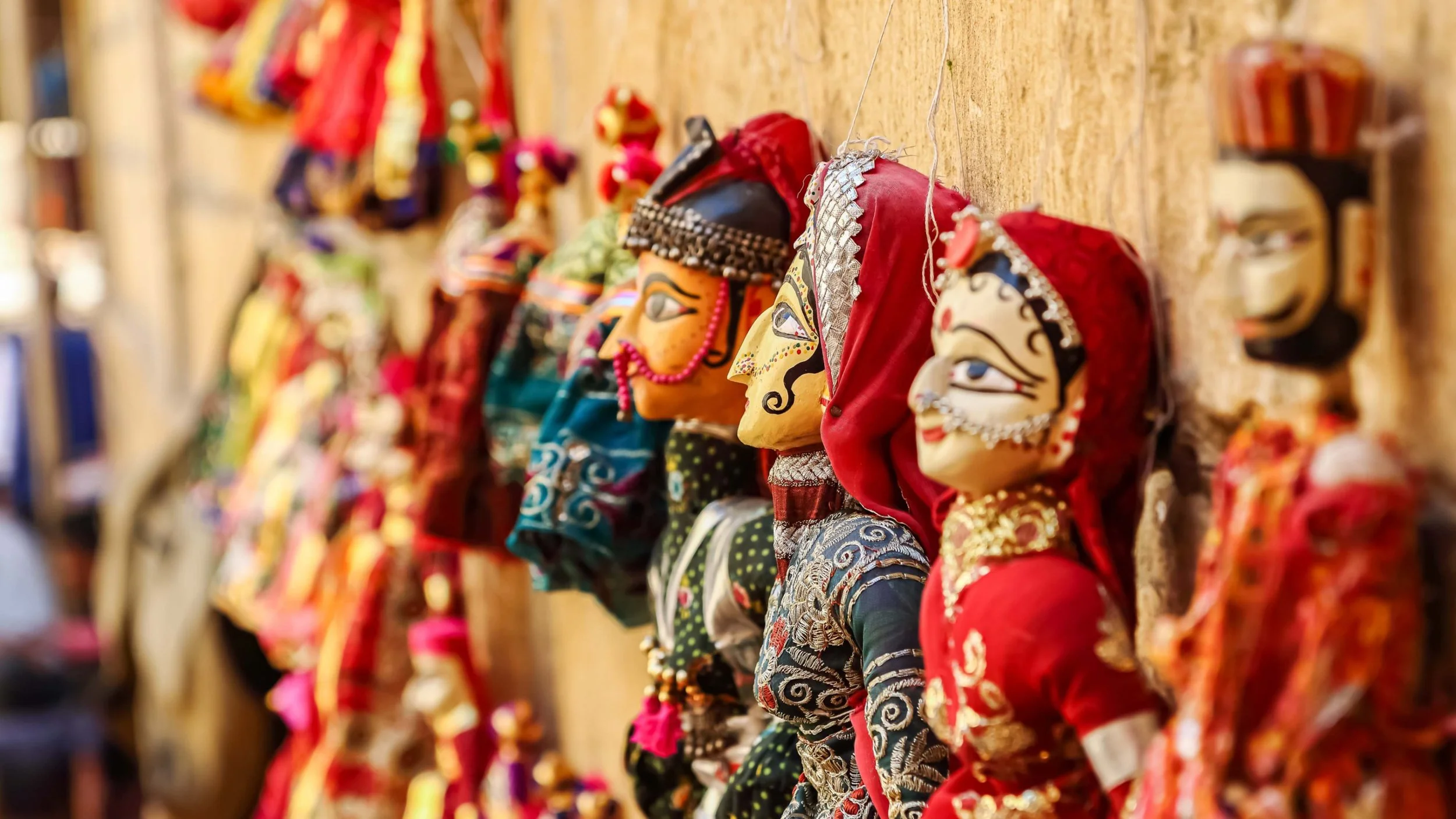
India textile tours offer an engaging way to understand the country through its makers, materials and long-standing craft traditions. These special interest journeys link weaving centres, dyeing workshops and artisan communities, with skills that have been passed down for generations. Travellers encounter handloom clusters known for distinctive regional styles, embroidery collectives that preserve traditional techniques, and small studios where natural dyes, block printing and pattern work continue as everyday practice. From the Rann of Kutch in Gujarat, the sprawling markets of Rajasthan, West Bengal’s weaving and pottery towns to the Deccan’s distinct fabric hubs, each region contributes its own story to India’s wider textile heritage.
Ideal for travellers interested in culture, design and the people behind the craft, India textile tours combine learning, hands-on experiences and opportunities to spend time with skilled artisans. Planned around your interests, our itineraries connect key textile regions with private touring, meaningful studio visits and regional context that deepens your understanding of each tradition. Based in Melbourne and designing private India tour packages since 2007, India Unbound helps Australian travellers explore India’s textile world in a well-supported way, shaped to your pace, interests and preferred style of travel.
Popular India Textile Tour Packages
-
![East India Textile Tour]()
East India Textile Tour
Explore East India’s textile heritage from Kolkata to Bagdogra, visiting Bishnupur, Shantiniketan and Murshidabad for Baluchari, kantha and silk weaving. Meet local artisans, see terracotta temples and discover how regional craft traditions remain a living art.
-
![South India Textile Tour]()
South India Textile Tour
Travel from Pondicherry to Calicut with artists who introduce you to South India’s creative traditions. Try embroidery, natural dyes, weaving and Kalamkari, visit studios and rural workshops, and spend time on a working plantation to see how local life shapes craft.
-
![Gujarat Textiles]()
Gujarat Textile Tour
Travel through Gujarat’s craft belt from Ahmedabad to Gondal, meeting artisans who specialise in Patola ikat, rogan painting, bandhani and mirror embroidery. Explore Kutch villages, historic stepwells and lively markets while discovering the region’s deep artistic heritage.
-
![Odisha Textile Tour]()
Odisha Textile Tour
Journey deep into Odisha’s tribal heartlands from Puri to Visakhapatnam, visiting remote villages where ikat, tussar and intricate tribal textiles are still woven on traditional looms. Meet makers, explore forest communities and discover craft traditions rarely seen by travellers.
-
![]()
North East India Textile Tour
Travel from Kolkata into the remote corners of Assam, Arunachal Pradesh and Nagaland, visiting Mishing villages, Naga weaving communities and Assamese silk centres. Meet tribal artisans, explore river islands and hills, and discover textile traditions shaped by culture and landscape.
-
![North India Textile Tour]()
North India Textile Tour
Journey from Mumbai to Delhi through Gujarat and Rajasthan, meeting Kutch weavers, bandhani dyers and block printers. Visit artisan villages, learn traditional techniques and see how desert landscapes, tribal motifs and historic cities shape North India’s textile identity.


Practical Travel Advice For India Textile Tours
-
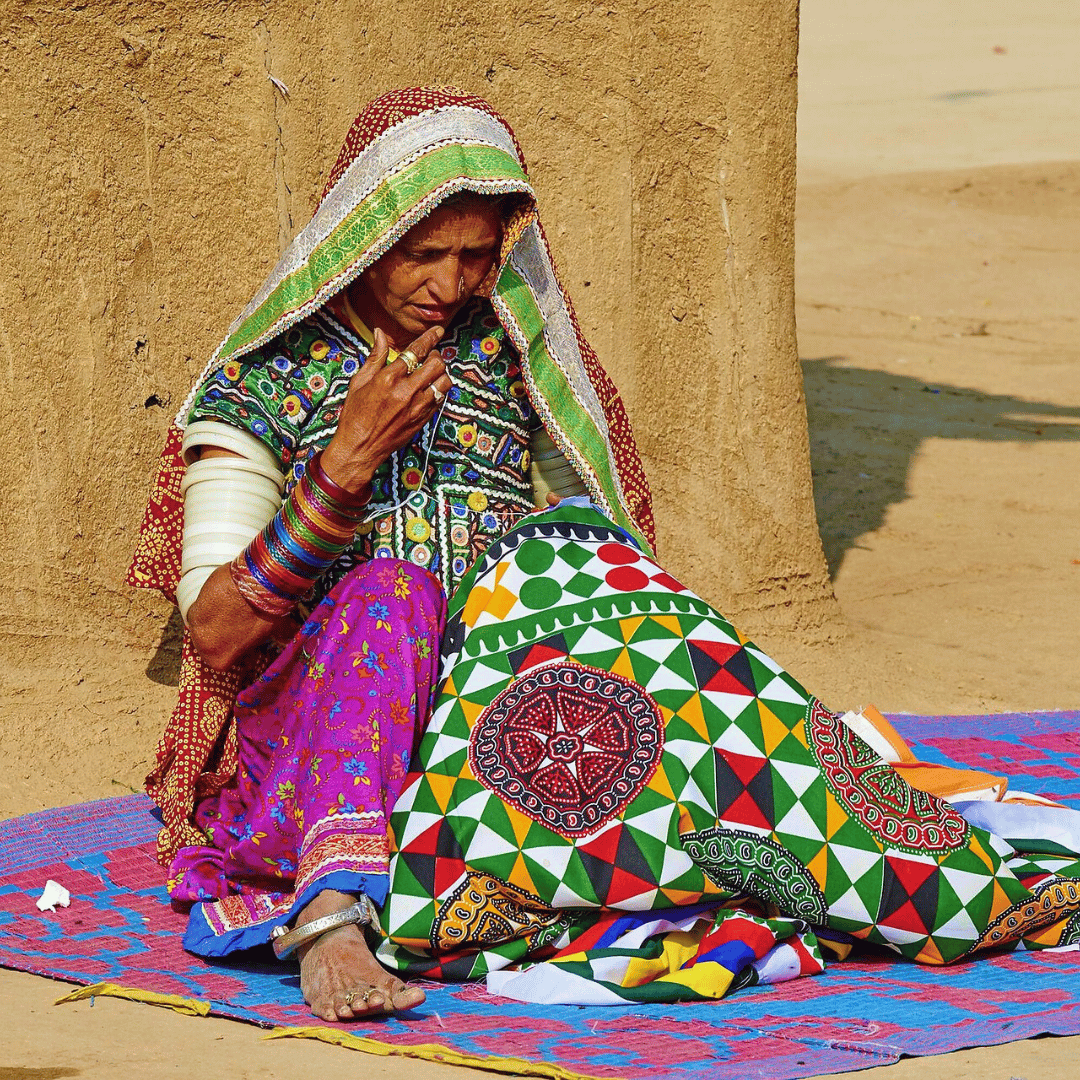
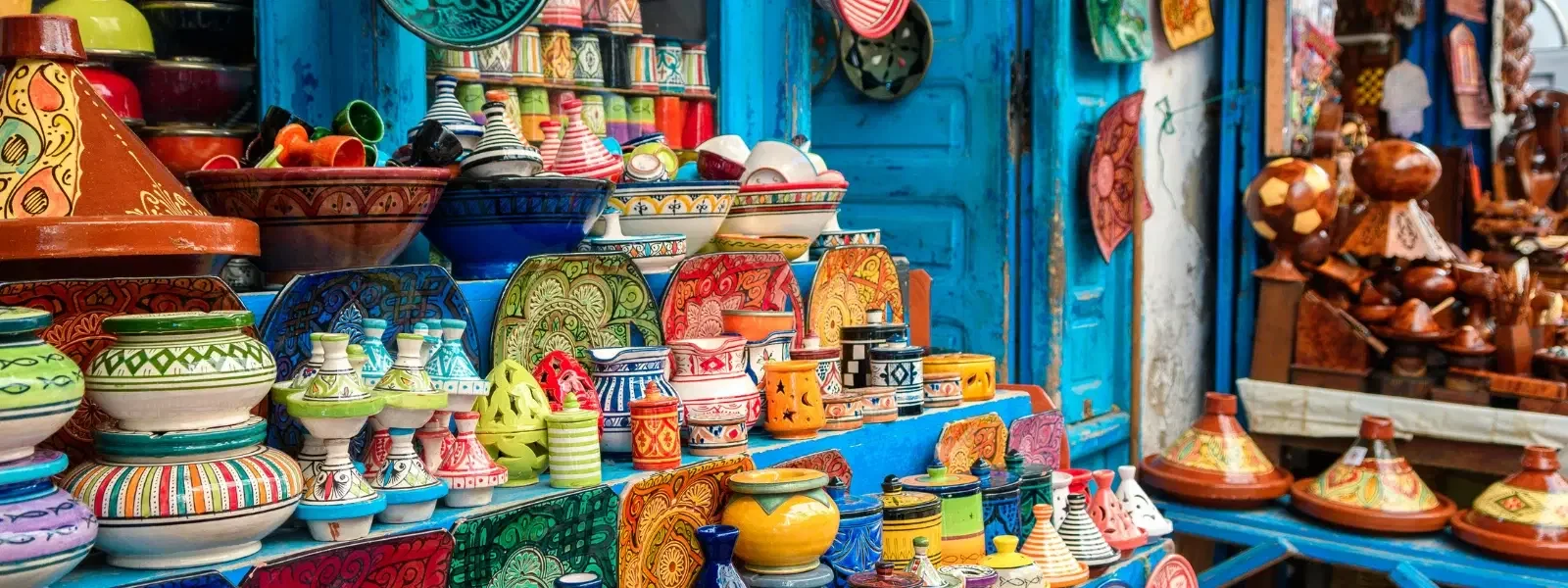
India’s textile traditions are spread across the country, so most tours cover several regions to show the differences in materials, techniques and cultural influences. In West India, travellers often visit Gujarat and Rajasthan, two of the country’s most important craft centres. Gujarat features Kutch weaving, mirror work, detailed hand embroidery and bandhani tie dye. You also encounter pottery, copper bell making, leatherwork and the bold folk art traditions that influence colour and pattern across the region. Rajasthan introduces you to block printing in Bagru and Sanganer, natural dyes, indigo workshops and hand-knotted carpets made in small community ateliers, along with blue pottery, miniature painting and traditional jewellery making.
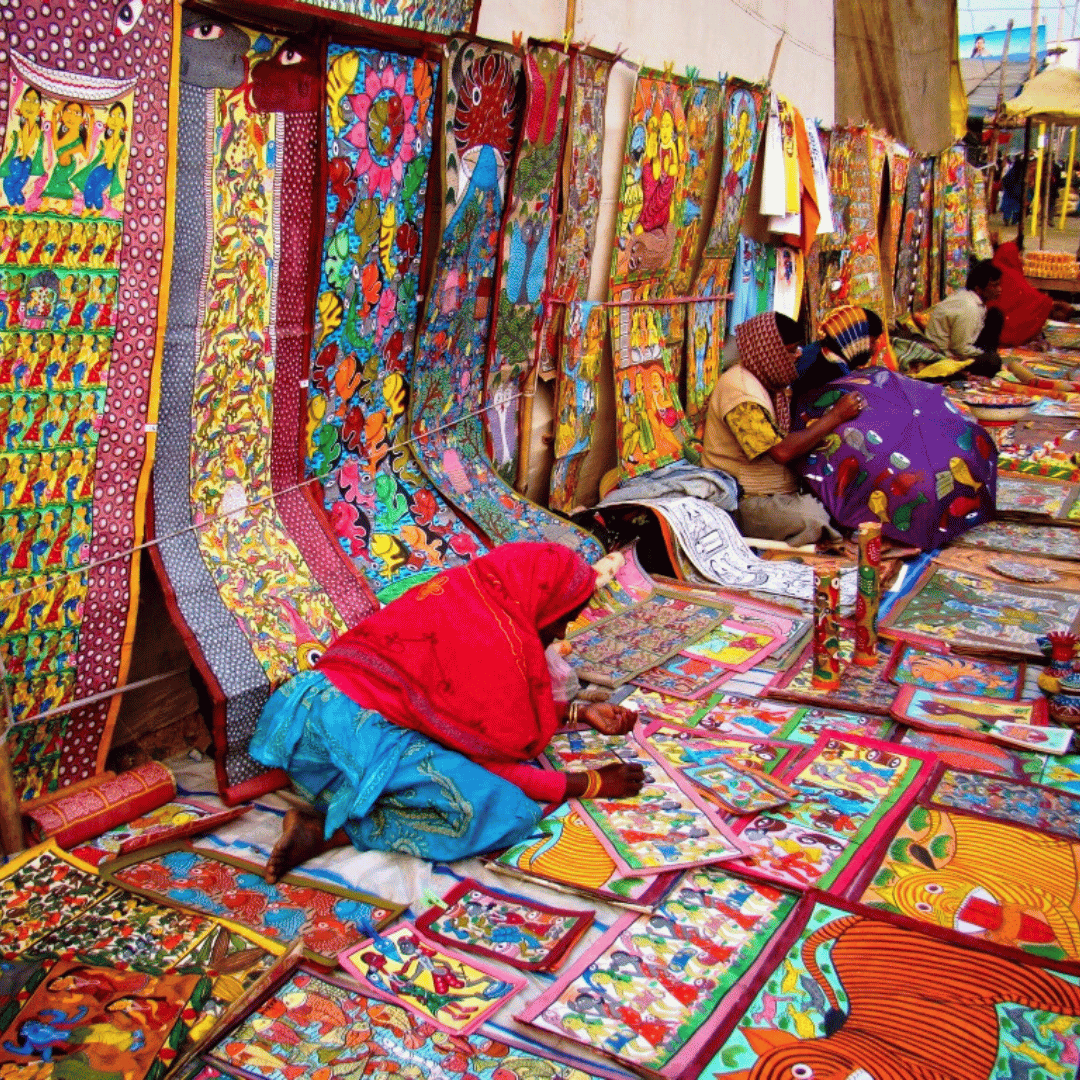
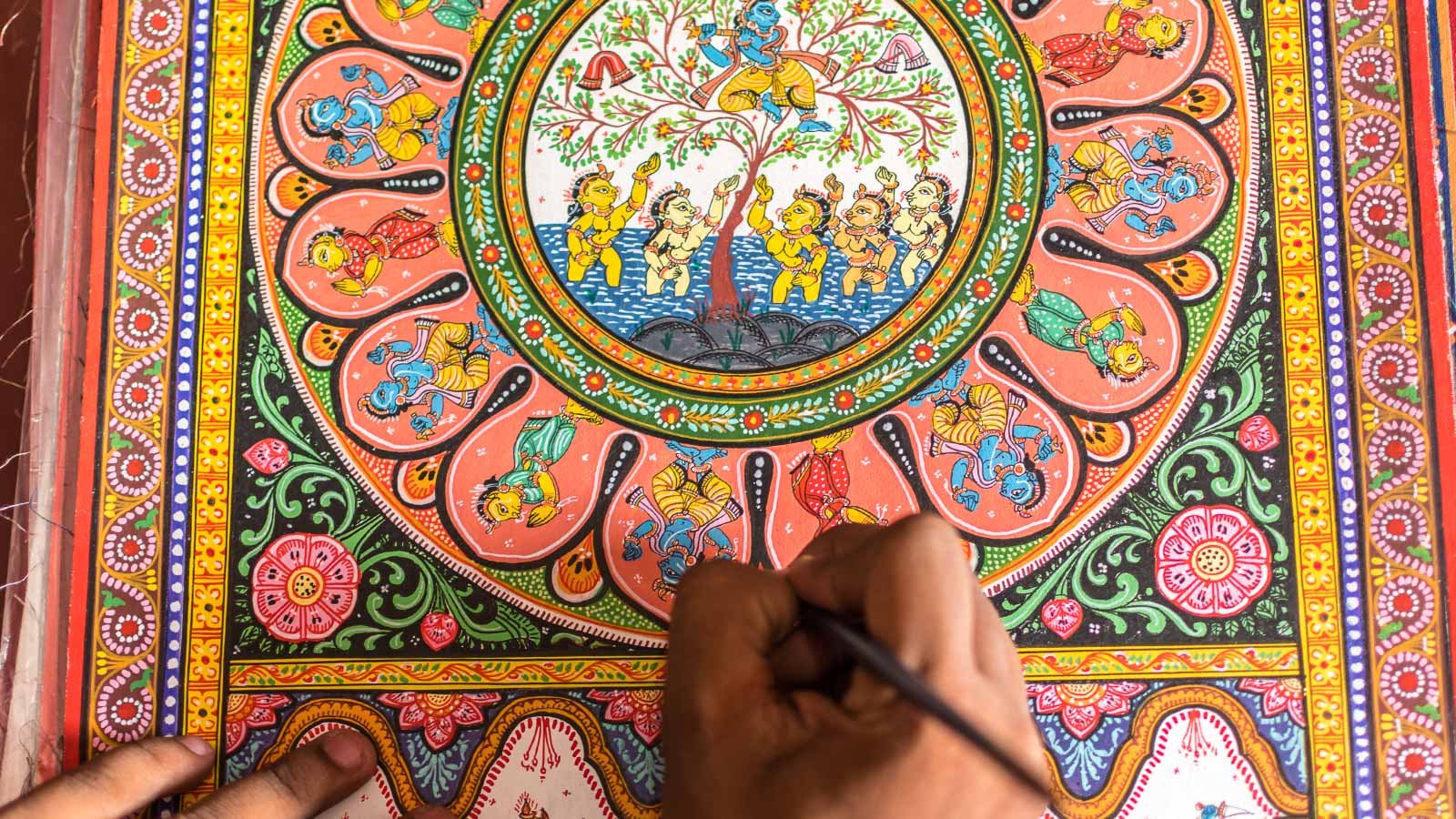
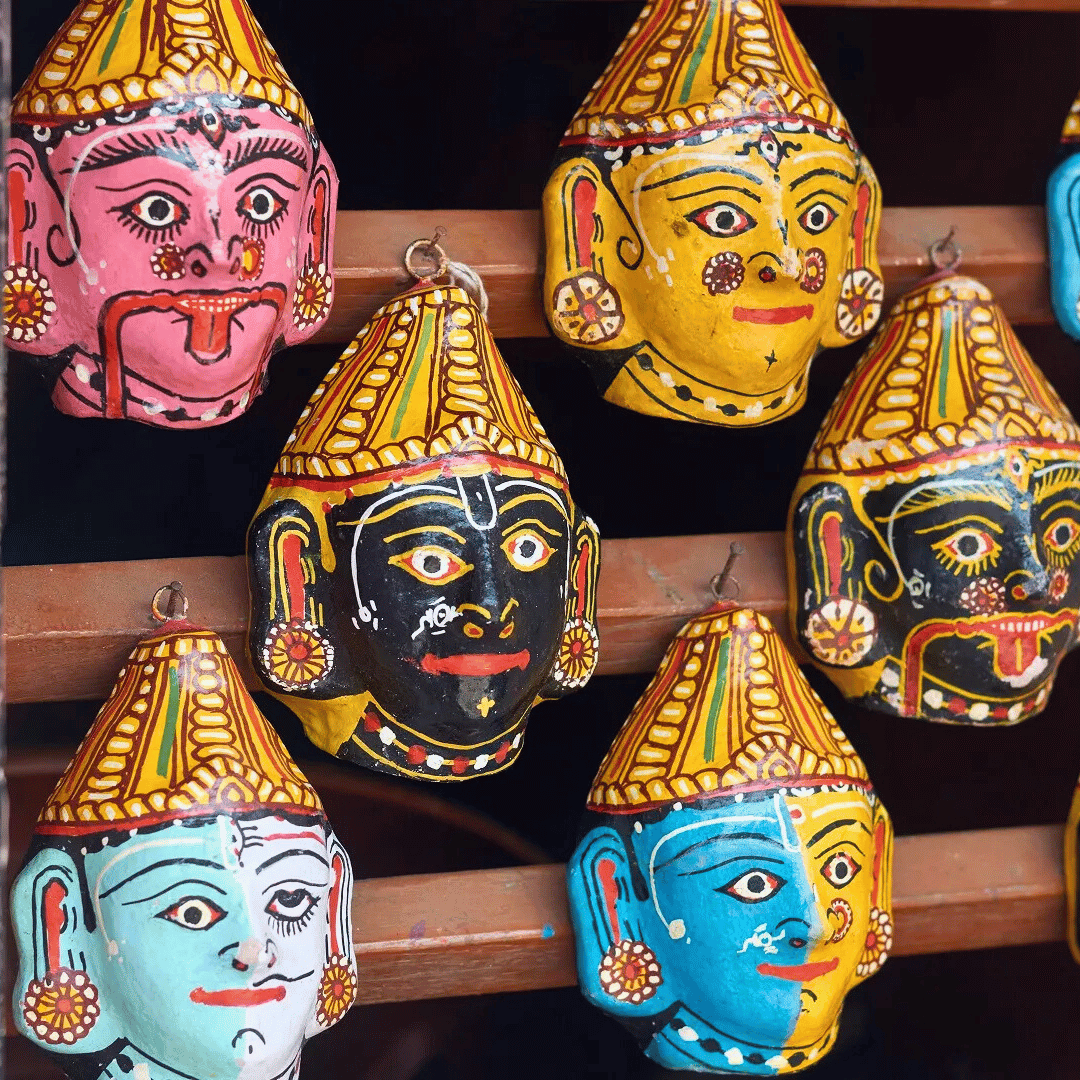
In East and North East India, you may explore West Bengal, Odisha and Assam. West Bengal is known for jamdani and Baluchari weaving, along with kantha stitching produced by women’s cooperatives. The region also has a strong terracotta tradition, particularly in Bishnupur, and a long history of scroll painting and clay craft. Odisha is a major centre for ikat, especially Sambalpuri textiles that use single or double ikat techniques on pit looms, and many tours include dokra metal casting villages or palm-leaf engraving studios. Assam offers something totally unique: eri and muga silk, two fibres native to the region, woven into shawls and traditional clothing with a distinctive texture and natural sheen. Visitors often see bamboo craft, traditional mask making and hand-thrown pottery that add depth to the region’s creative landscape.
In South India, textile tours often include Tamil Nadu, home to Kanchipuram silk weaving. Here you can watch master weavers produce richly patterned saris on jacquard looms and learn how silk is reeled, dyed and finished. The region also has a strong tradition of bronze casting, stone carving and classical temple arts, which help contextualise the motifs seen in local textiles. Many itineraries connect these regions so you can compare techniques, visit artisan studios, take part in hands-on sessions and see how local culture shapes design. It gives first-time visitors a clear understanding of India’s major textile and craft centres, what each region is known for and how these creative traditions continue to evolve today.
-
Most textile tours don’t require you to bring any specialised equipment for workshops or studio visits. Artisan studios provide all tools and materials you’ll need, whether you’re block printing, trying basic dye work, learning simple weaving techniques or doing introductory embroidery. Protective aprons or cloth coverings are usually available, and your guide will let you know in advance if a particular session needs anything extra.
It’s still helpful to carry a few small items of your own. A notebook and pen are ideal for jotting down colour recipes, pattern notes or artisan details you may want to remember. A lightweight tote bag or folder is useful for keeping fabric swatches, small samples or purchases picked up along the way. Most travellers also like to bring a phone or small camera for photos, as visual references are extremely helpful when learning craft techniques. Studios sometimes ask you not to photograph certain designs, but your guide will brief you on this as you go.
Clothing and footwear matter more than equipment. Workshops can involve standing at print tables, leaning over dye vats, or sitting on low stools, so wear clothes that are comfortable, allow easy movement and won’t upset you if a little dye or ink ends up on them. Breathable cotton works well, and carrying a light layer helps in regions where mornings start cool. For shoes, choose closed footwear or supportive sandals with a secure strap. Floors can be uneven, damp, or dusty, depending on the craft, and comfortable walking shoes make the day far easier. With these simple basics, you’ll be fully prepared for studio visits without needing to pack anything bulky or specialised.
-
Photography is generally allowed inside artisan studios and workshops in India, but it’s not universal and often depends on the craft, the community and the individual artisan. Many makers are happy for visitors to take photos of the process, tools and environment, as it helps promote their work and gives travellers a useful visual record of what they’ve learned. Guides typically encourage visitors to ask before taking pictures, especially in small family-run studios where people may feel more private.
Some workshops do have restrictions, particularly when designs are proprietary or part of a family technique they prefer not to share publicly. In these cases, artisans may ask you to avoid photographing certain patterns, stages of the process or finished pieces intended for specific clients. Your guide will usually brief you on these boundaries in advance so that you know what is and isn’t appropriate.
In general, being respectful and seeking permission is the best approach. Most travellers find that once they ask, artisans are warm and open to photography, often inviting visitors to take close-up shots of intricate details or demonstrating techniques again so you can capture them properly. As long as you follow the guidelines provided, photography is rarely a problem and often becomes a meaningful part of the experience.
-
Yes, most India textile tours not only allow hands-on participation but actively build it into the itinerary. These sessions are usually run by master artisans or community workshops that are set up to teach visitors the basics in a safe and enjoyable way. You don’t need any prior skill, and the activities are designed so that first-time learners can complete a small piece to take home. It’s a practical way to understand the techniques behind India’s textiles rather than just watching them from a distance.
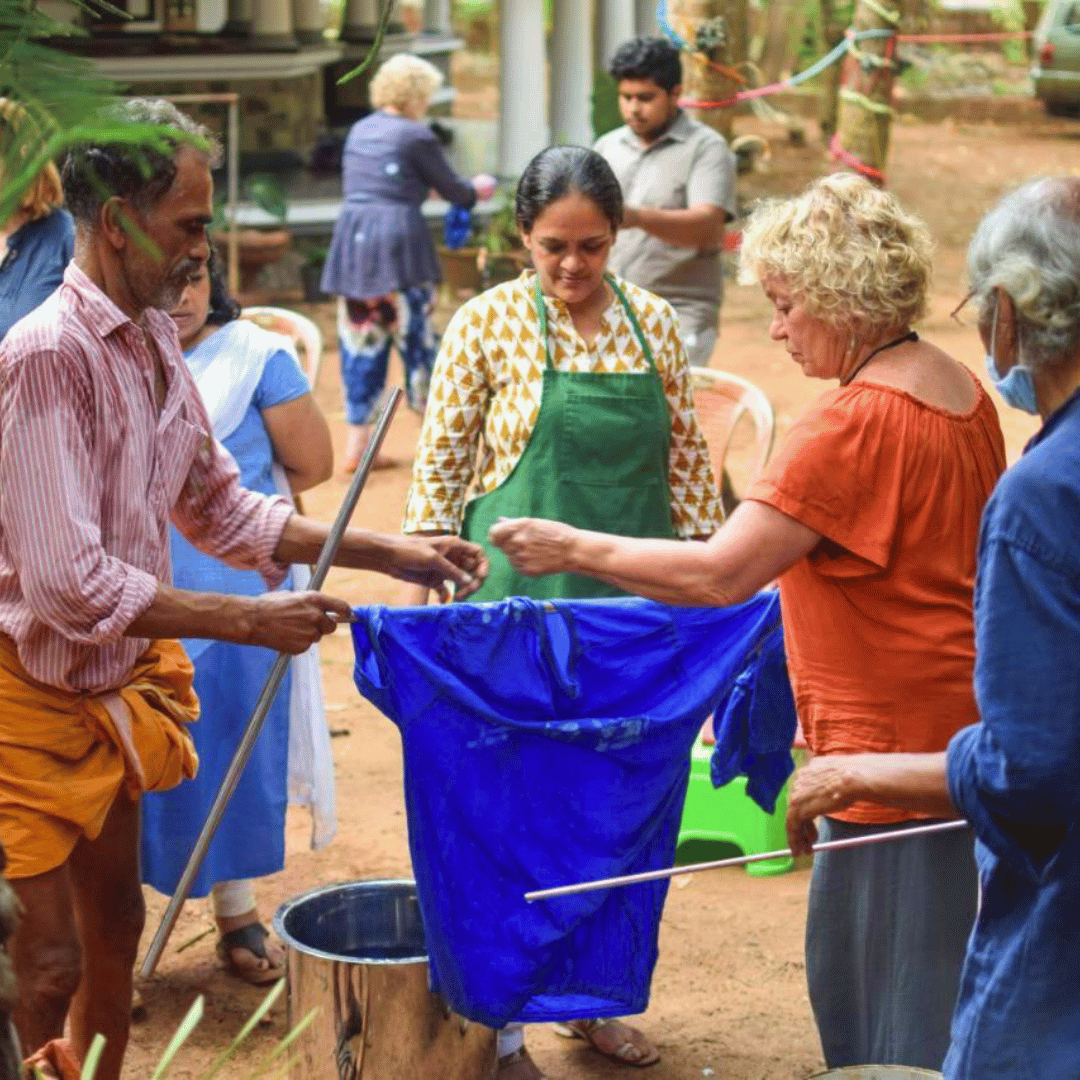
Block printing is one of the most common activities. You’ll learn how the wooden blocks are carved, how the dye trays are prepared and how to align the blocks so the pattern repeats correctly. After practising on sample cloth, you usually create your own small scarf, tote or fabric panel. Dyeing sessions may include natural dye work, simple resist techniques, or indigo vats, where you can see the colour change from green to deep blue as the fabric oxidises in the air. These demonstrations highlight the chemistry and timing involved, something that’s easy to miss until you try it yourself.
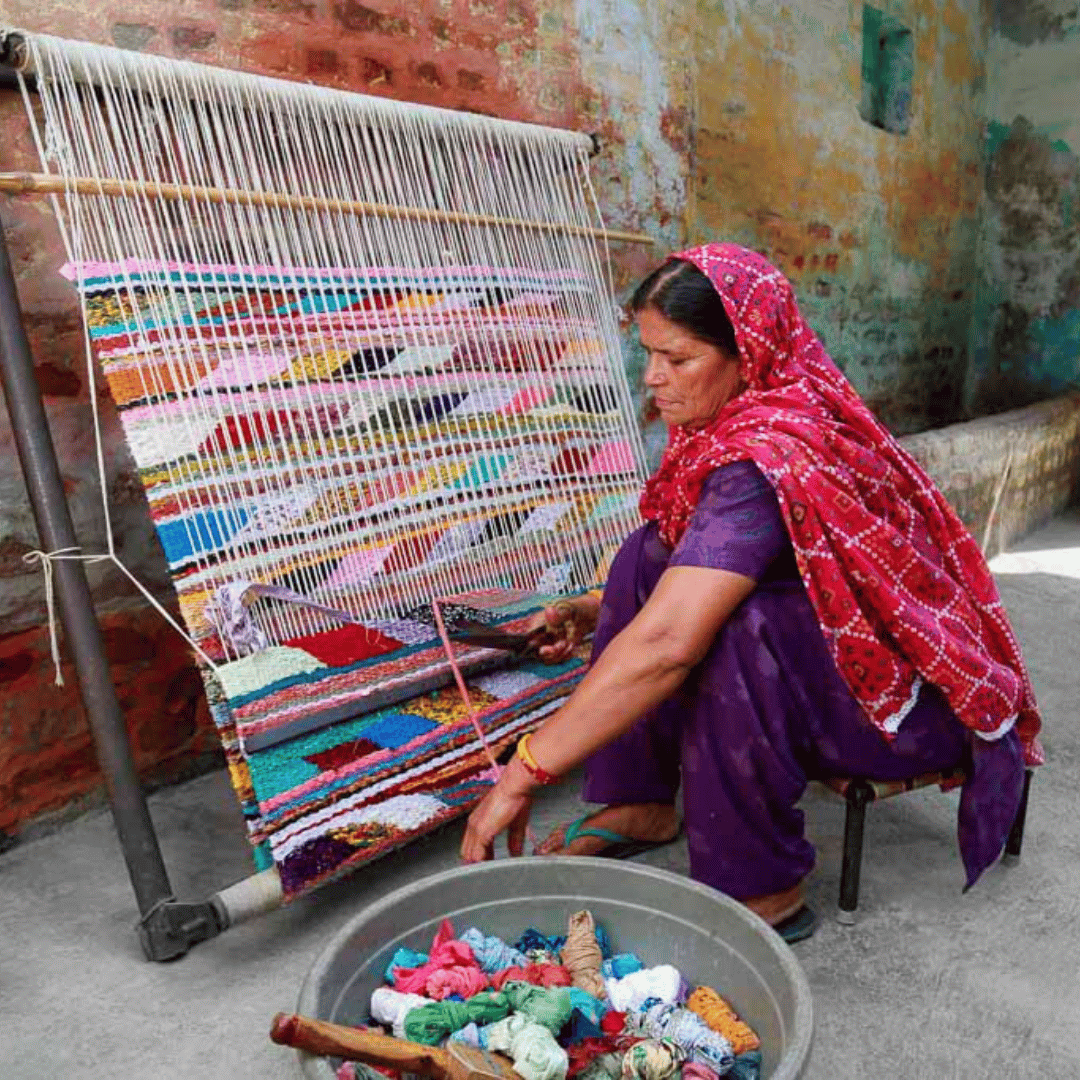
Some regions also offer introductory weaving or embroidery experiences. These aren’t full-length weaving sessions, but they give you a feel for how warp and weft are set up, how tension is controlled and how patterns appear row by row. Embroidery workshops might focus on a single stitch or motif so you can understand how complex work builds up slowly. Participation is always optional and adapted to your comfort level. Most guests find these hands-on activities relaxing, immersive and a highlight of the trip because they bring the craft traditions to life in a memorable, tactile way.
-
Identifying genuinely handmade textiles in India takes a bit of practice, but there are several clear signs that help first-time buyers understand what they are looking at. The first clue is irregularity. Handwoven or handprinted fabrics usually show tiny variations from row to row or motif to motif. The weave may not be perfectly uniform, the selvedge might look slightly uneven or a print may have small overlaps or lighter patches where the artisan stamped with more or less pressure. These variations are not faults, they are evidence of human work rather than machine production.
Another helpful check is the reverse side of the fabric. On a handwoven piece, the back will show the same pattern structure rather than a printed surface that sits only on the front. In block printing, the reverse side usually shows softer or lighter impressions where the dye has travelled through the cloth. Machine printed fabrics often have a very flat, perfect finish on the front and a stark contrast on the back. Hand embroidery will also show knots or thread ends rather than a uniform backing.
Where you buy the textile matters as well. Workshops, cooperatives, artisan markets and government emporiums generally label items clearly and can explain which parts of the process were done by hand. Good guides and textile specialists can point out marks of authenticity and help you avoid factory copies. Asking the maker directly is one of the most reliable methods. Most artisans are proud of their work and will happily explain how long a piece took, what techniques were used and what distinguishes it from machine-made alternatives.
-
Yes, you can safely buy textiles in India and arrange shipping back to Australia, and most travellers do so without any issues. Many reputable artisan studios, government emporiums and established boutiques offer international shipping services with proper packing, invoicing and tracking. These businesses are familiar with sending textiles overseas and know how to prepare delicate items like silk, handwoven shawls, carpets or larger yardage so they arrive in good condition.
If you prefer to ship items yourself, courier companies such as DHL, FedEx and India Post’s international service operate widely across major cities. DHL and FedEx are the most reliable for speed, tracking and handling, especially for higher-value textiles. Costs vary by weight and destination, so it’s a good idea to group purchases into a single shipment rather than sending multiple small parcels.
Most travellers also carry some items home in luggage. Textiles pack lightly and don’t take much space, although heavier items like carpets are better shipped. As Australia has strict quarantine rules, it’s worth keeping invoices and asking artisans to confirm that no untreated plant materials are used in the piece. Your guide can also assist with vendor recommendations, checking packaging, and helping you choose the safest shipping option based on what you’ve bought.
-
Credit cards are increasingly accepted in India, but acceptance varies widely once you step into artisan villages and small studios. In major cities and larger craft boutiques, you can expect Visa and Mastercard to be used without any trouble. However, many family-run workshops, rural cooperatives and smaller artisan homes still operate primarily on cash or digital payments such as UPI, which is India’s most common local payment system. Foreign cards usually cannot be used for UPI, so having a backup plan is essential.
For purchases in smaller villages, it’s best to carry enough cash for the day, especially if you plan to buy textiles, samples or small decorative items directly from the maker. Guides can give you an idea of typical price ranges before you arrive so you know how much to bring. If you’re visiting more established craft centres, some may have a card machine, but connectivity can be unreliable in rural areas and the machine may not always work.
ATMs are available in most towns, though not always in the craft villages themselves, so withdrawing cash ahead of time is practical. Your guide can help you plan this as part of the day’s route. Many travellers also find that buying directly from artisans using cash ensures the full amount goes straight to the maker, which supports the local economy and keeps traditional crafts sustainable.
-
Yes, you can absolutely include just a small amount of textile experiences as part of a wider India tour. Many travellers prefer to weave in one or two studio visits, a block printing workshop or a short stop in a craft village while focusing the rest of their itinerary on culture, wildlife, food or general sightseeing. This is easy to arrange and works well for first-time visitors who want a taste of India’s textile heritage without committing to a full specialist tour.
India Unbound specialises in private, custom-made journeys, so textile elements can be added in a way that suits your interests and your route. You might spend a morning learning block printing in Jaipur, make a short visit to a weaving community in Gujarat, or stop at a cooperative in West Bengal while travelling between major cities. These experiences are flexible and can be scaled up or down depending on how much time you want to dedicate.
Because every India Unbound itinerary is designed individually, we can match you with reputable artisans, arrange meaningful hands-on sessions and balance textile visits with other experiences like river cruises, food walks, architectural highlights or wildlife. The goal is to design a trip that feels personal, well-paced and aligned with the way you like to travel, with textile stops simply adding another layer of insight to your journey.
Best Regions In India For Textile Tours
-
![]()
Gujarat
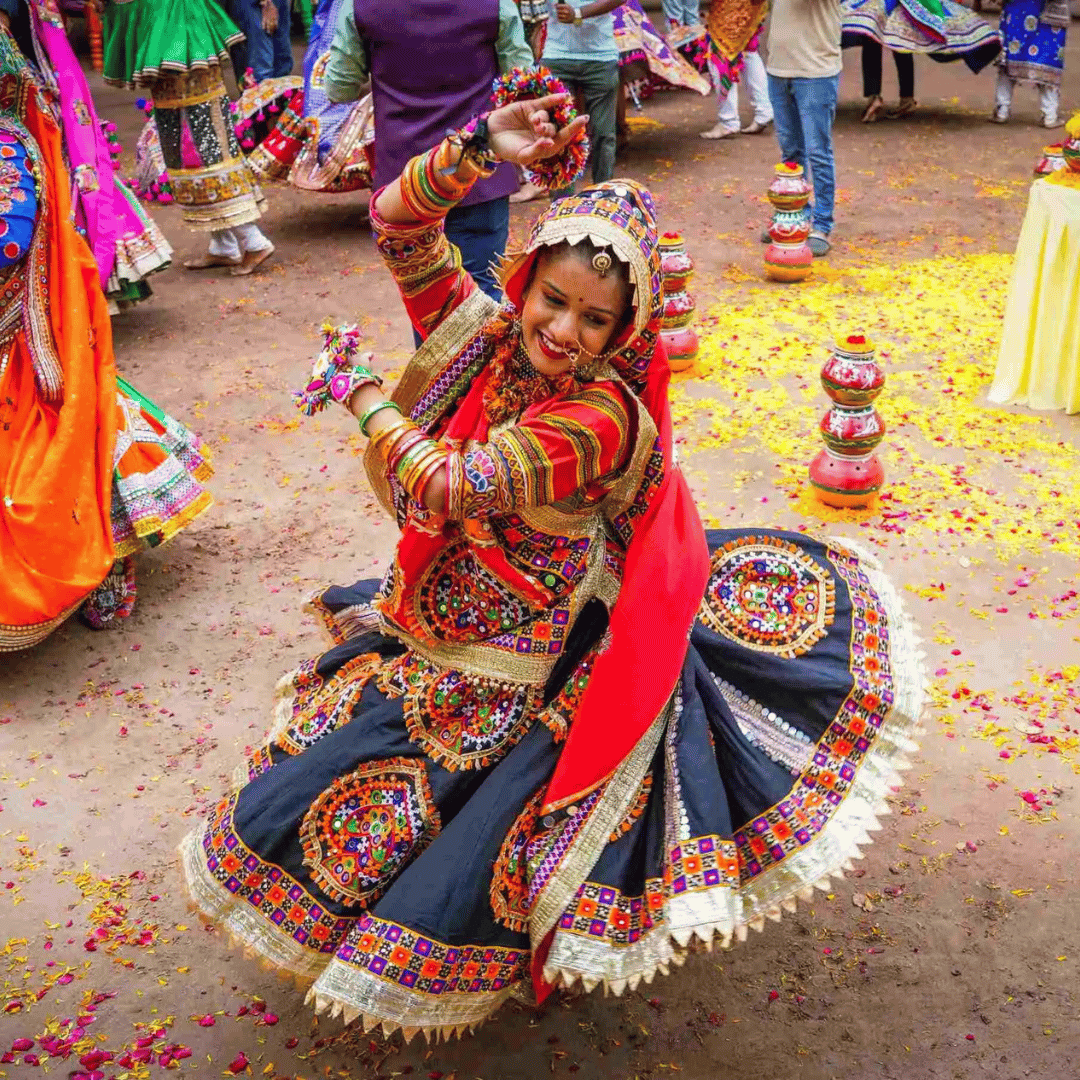
Gujarat blends bandhani tie-dye, Ajrakh block printing and rich Kutch embroidery, with village-based artisans creating detailed textiles in small workshops. Travellers can see natural dyes, handloom weaving and distinctive regional motifs shaped by generations of craft practice, making it a deeply rewarding region to explore.
-
![]()
Odisha
Odisha is known for fine ikat weaving, appliqué from Pipili and textiles shaped by mythological patterns. Weavers in Nuapatna and Sambalpur produce designs dyed with precision, while coastal craft centres offer handlooms and palm-leaf art that remain central to regional identity, drawing many textile-minded travellers.
-
![]()
Assam
Assam’s textile identity revolves around eri and muga silks, woven in household looms across rural communities. Sualkuchi is a major centre for silk weaving, where natural dyes, hand-spun yarns and motifs inspired by nature create distinctive textiles, offering travellers insight into local artistry and everyday craft traditions.
-
![]()
Rajasthan
Rajasthan offers indigo dyeing, hand-block printing in Bagru and Sanganer, desert weaving traditions and detailed embroidery linked to village craft. Studios specialise in pattern work and natural dyes, producing textiles that reflect the region’s colour and style, with workshops welcoming travellers keen to learn more.
-
![]()
West Bengal
West Bengal is home to jamdani and muslin weaving, along with tussar silk and kantha stitch traditions. Weaving towns along the Hooghly produce intricate handloom textiles, while artisans maintain embroidery styles shaped by stories, motifs and cultural heritage, making this a rich and engaging region for visitors.
-
![]()
Tamil Nadu
Tamil Nadu is known for Kanchipuram silk weaving, Chettinad cotton and temple-inspired designs. Handloom clusters keep dyeing, weaving and motif work central to daily life, producing textiles valued for colour and structure, with workshops offering travellers insight into long-standing regional practices.
Plan Your India Textile Tour With India Unbound
Established in 2007, India Unbound is an award-winning travel company specialising in custom-made journeys and private tours to India. With more than two decades of experience exploring this fascinating nation, we create tailor-made itineraries for discerning travellers looking for a real adventure.
When you start to research a trip to India, it’s easy to feel overwhelmed by the seemingly endless possibilities. At India Unbound, we’ve made this process easy. To see India, we simply need you to tell us relevant information about yourself and the type of travel experience you are looking for - whether it’s a wish list of places you want to visit, a style of travel, a particular interest or theme that you want to explore, or all of these factors. Using this information, we curate a custom-made India private tour just for you. It’s that simple.